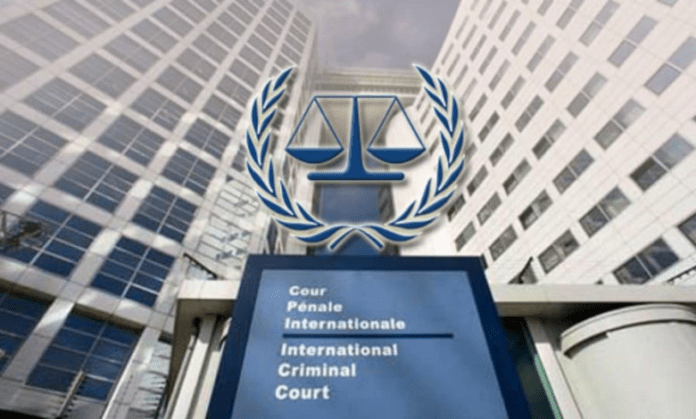
In a historic decision that has sent ripples through international diplomacy, the International Criminal Court (ICC) in The Hague has issued arrest warrants for Israeli Prime Minister Benjamin Netanyahu and former Defence Minister Yoav Gallant, alongside Hamas commander Mohammed Deif. This move, grounded in accusations of war crimes and crimes against humanity, has prompted a spectrum of reactions from nations, revealing deep divides in their approach to international justice and their relationships with Israel.
The ICC’s decision, which cites “reasonable grounds” for believing that Netanyahu and Gallant engaged in targeting civilians and obstructing humanitarian aid during military operations in Gaza, has garnered mixed reactions across Europe. Josep Borrell, the European Union’s foreign policy chief, called for member states to “respect and implement” the court’s decision, Italy’s Defence Minister, Guido Crosetto, emphasized Italy’s obligation to arrest Netanyahu and Gallant if they were to enter the country, despite expressing reservations about equating Israeli leaders with Hamas figures. Similarly, Ireland’s Prime Minister Simon Harris deemed the warrants “an extremely significant step,” affirming his country’s support for the ICC’s role in enforcing international law.
As most Nations complied with the decision, this call for action has not met with unanimous support, as Hungary’s Prime Minister Viktor Orbán dismissed the warrants as “outrageously impudent” and has openly defied the ICC, extending an invitation to Netanyahu to visit Budapest. In stark contrast, Belgium, the Netherlands, and France have signaled their willingness to enforce the warrants, reflecting a commitment to upholding the court’s decisions despite potential diplomatic repercussions.
The issuing of these warrants marks a historical first, with a sitting leader of a major Western ally being accused by the ICC. The complexity of the situation is highlighted by contrasting international stances. The United States, not a member of the ICC, has condemned the court’s decision, with President Joe Biden labeling the warrants as “outrageous” and asserting unwavering support for Israel’s security.
Netanyahu has vehemently rejected the accusations, describing the warrants as “antisemitic.” He defended Israel’s actions by pointing to significant humanitarian efforts, including the supply of substantial food shipments to Gaza residents and multiple warnings issued to civilians during military operations.
As the ICC’s decision reverberates across the international stage, it prompts a closer examination of how global justice systems will reflect in reality. Observers will be watching closely to see how this situation influences future international legal proceedings and the enforcement of global human rights standards.