
Export earnings support producer profitability despite softer global metal prices, while rising domestic input costs threaten downstream manufacturers’ margins.
CAIRO, Egypt Aluminium (Egyptalum) has raised domestic selling prices by EGP 15,000 per tonne, or 7–8%, for November, as higher electricity costs and a weaker Egyptian pound increase pressure on industrial production, even as international aluminium prices retreat from September highs.
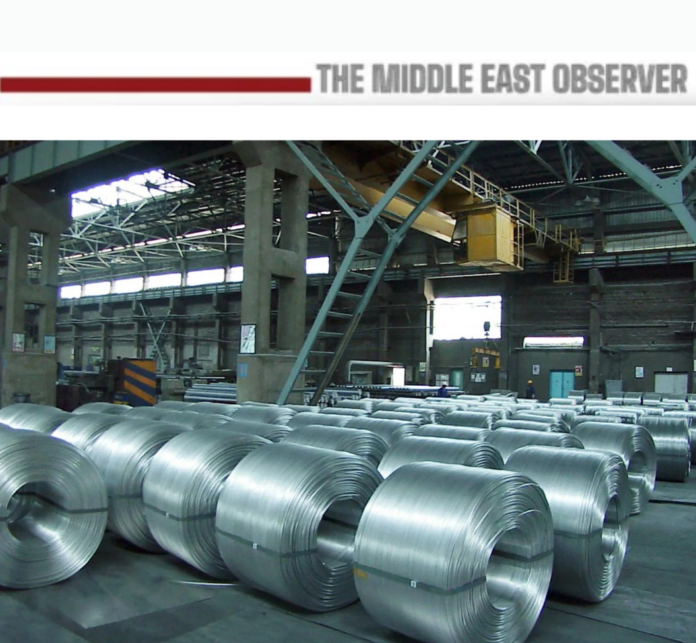
The new price schedule, effective from November 1 and circulated by the Chamber of Metallurgical Industries, puts cold-rolled sheets at EGP 229,000 per tonne, up from EGP 214,000 in October. Wire rod prices have risen to EGP 218,000–218,150, while aluminium billets now cost EGP 205,000. All prices exclude 14% VAT and apply to deliveries from Egyptalum’s Nag Hammadi facilities.
Currency Depreciation Outweighs Global Decline
The increase comes despite softer international prices. London Metal Exchange aluminium cash prices fell from $3,204 per tonne on September 30 to $3,082 on November 3, a decline of 3.8%.
Over roughly the same period, the dollar strengthened from EGP 52.04 to approximately EGP 56.09, representing a 7.8% depreciation of the Egyptian currency against the dollar.
The currency movement helps explain why domestic prices have increased despite the global decline, particularly given Egyptalum’s reliance on imported production materials. The company has not, however, disclosed a breakdown establishing precisely how exchange rates, energy costs and other factors determined November’s adjustment.
Rising Energy Costs, Strong Export Earnings
Electricity remains a substantial burden for the producer. According to its financial disclosures, power costs rose 16% to EGP 8.5 billion in the financial year ended June 2026, accounting for approximately 26% of operating revenue costs. Imported raw materials, principally alumina, represented another 63%.
Yet Egyptalum’s export exposure provides an important financial counterbalance. The company reported revenue of EGP 53.14 billion and net profit of EGP 15.49 billion for 2025/26, up 23% and 52%, respectively. Exports generated EGP 32.67 billion, representing more than 61% of total revenue.
Foreign-currency sales can strengthen earnings when translated into a weaker pound, although this benefit is partly offset by dollar-linked raw-material costs. Currency depreciation alone does not establish improved international competitiveness, which also depends on production costs and export selling prices.
Domestic Manufacturers Face Margin Pressure
For Egyptian manufacturers using aluminium in construction, electrical equipment, packaging and engineering products, the same price adjustment presents a different challenge.
A factory purchasing 100 tonnes now faces an additional EGP 1.5 million in material costs before VAT. Businesses unable to pass these increases to customers risk narrower profit margins, reduced production or higher working-capital requirements.
The November increases also reverse earlier reductions introduced in August. Several products, including billets and wire rod, have returned to prices already recorded in July, meaning claims that all November quotations represent unprecedented historical highs are not supported by the available price schedules.
The Industrial Competitiveness Test
The contrasting positions of Egyptalum and its domestic customers expose a wider challenge for Egyptian industrial policy.
While a major primary producer benefits from substantial export earnings, downstream manufacturers must contend with higher locally priced raw materials, energy bills and financing costs.
The critical question is whether Egypt can translate its growing aluminium production and export capacity into a more competitive domestic manufacturing sector, rather than allowing rising input costs to erode the margins of businesses producing higher-value finished goods.
Related news:
- Egypt Aluminium Raises Prices by Up to EGP 5,000 per Ton in May
- Egypt Aluminium Pursues $100m Loan to Build First Domestic Aluminium Foil Factory
Read Also: