
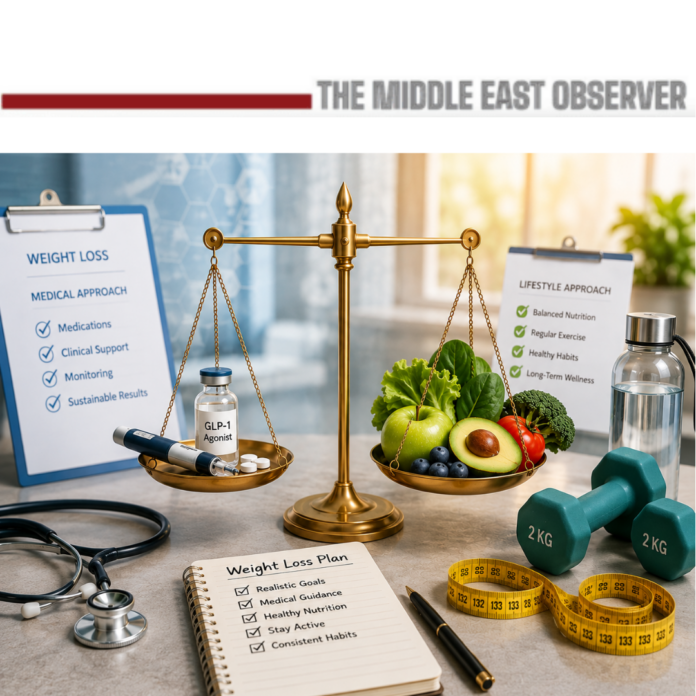
New medical therapies are expanding obesity treatment options, but health experts agree that sustainable weight loss still depends on long-term lifestyle change and individualized care.
Rising obesity rates are reshaping healthcare priorities in Egypt and worldwide, prompting greater reliance on evidence-based treatments that combine lifestyle modification with advances in obesity medicine. Once viewed primarily as a cosmetic concern, obesity is now widely recognized as a chronic disease that increases the risk of type 2 diabetes, cardiovascular disease, hypertension and other non-communicable diseases, making effective weight management a growing public health priority.
In Egypt, where obesity prevalence remains among the highest in the Middle East, excess weight places increasing pressure on healthcare resources while contributing to higher rates of chronic disease. Against this backdrop, health authorities and medical professionals are promoting a balanced approach that combines prevention, lifestyle modification and, where clinically appropriate, modern medical therapies.
Medical Therapies Expand Treatment Options
Recent advances in obesity medicine, including GLP-1 receptor agonists and dual GIP/GLP-1 agonists such as tirzepatide and semaglutide, have significantly expanded treatment options for eligible patients. These medications mimic naturally occurring gut hormones that regulate appetite, promote satiety and slow gastric emptying, helping reduce calorie intake while improving metabolic health.
For individuals with severe obesity, bariatric procedures such as gastric sleeve and gastric bypass surgery remain the most effective long-term clinical interventions. However, specialists stress that medications and surgery are not stand-alone solutions. Long-term success still depends on medical follow-up, balanced nutrition, adequate protein intake and regular resistance exercise to preserve muscle mass and support lasting results.
Lifestyle Remains the Foundation
Despite advances in medical treatment, healthy eating and physical activity continue to form the cornerstone of long-term weight management. Dietary strategies range from the ketogenic diet, which induces nutritional ketosis through substantial carbohydrate restriction, to the Mediterranean diet, widely regarded as one of the most extensively researched eating patterns for improving cardiovascular and metabolic health.
Intermittent fasting approaches, including One Meal a Day (OMAD) and time-restricted eating, may also support weight loss by reducing calorie intake and improving insulin sensitivity. While emerging research suggests fasting may activate cellular repair mechanisms associated with autophagy, scientists note that its long-term clinical significance in humans remains under investigation.
Nutrition specialists also recommend practical behavioural changes such as drinking water before meals, eating slowly, prioritizing vegetables and lean protein, controlling portion sizes, maintaining consistent sleep schedules and engaging in regular physical activity to support healthy weight management.
Egyptian Health Guidance
The Egyptian Ministry of Health and Population encourages limiting saturated and trans fats, increasing fibre intake, choosing lean proteins, reducing sugary drinks and highly processed foods, and adopting healthier cooking methods such as grilling, steaming and boiling. Public health guidance also recommends at least 150 minutes of moderate-intensity physical activity each week, alongside adequate sleep and regular weight monitoring.
An Individualised Path to Better Health
Medical professionals agree that there is no universal solution to obesity. Lifestyle modification remains the first line of treatment, while prescription medications or bariatric surgery may be appropriate for patients with obesity or obesity-related complications under specialist supervision.
As obesity becomes an increasingly important public health challenge, experts agree that sustainable success depends less on choosing between medicine and lifestyle than on integrating both within an individualized, evidence-based treatment plan that supports long-term health rather than short-term weight loss alone.
Related news:
Plastic: Yesterday’s Friend, Today’s Environmental Enemy
Plastic: Yesterday’s Friend, Today’s Environmental Enemy
Read also:
WHO Warns of Mounting Health Crisis Across Conflict-Affected Middle East
Saudi-US Partnership Targets $500m to Advance Kingdom’s Biotechnology Ambitions