State-owned group plans EGP30bn in revenue and EGP 14.7bn in exports for 2026/27 as it upgrades factories and advances subsidiaries towards potential stock-market offerings
Egypt’s Chemical Industries Holding Company (CIHC) is targeting EGP30bn in revenue and EGP8.9bn in net profit in 2026/27, as the state-owned group seeks to expand exports, modernise factories and increase private-sector participation.
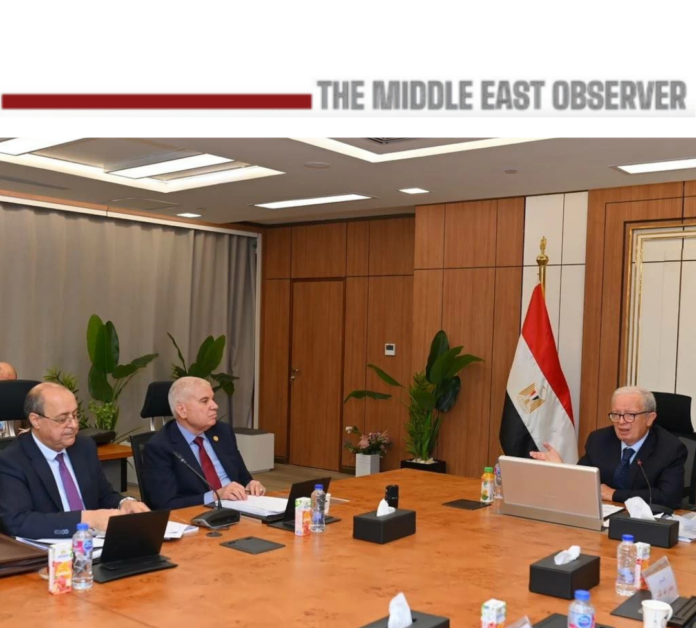
The consolidated budget also targets EGP 14.7bn in exports, according to figures presented at a general assembly chaired by Hussein Eissa, Egypt’s deputy prime minister for economic affairs.
Company figures for 2025/26 put revenue at about EGP20bn, net profit at EGP5.8bn and exports at EGP8.7bn. If achieved, the new targets would represent increases of about 50 per cent in revenue, 53 per cent in profit and 69 per cent in exports.
Exports would account for almost half of projected revenue, while the EGP8.9bn profit target implies a consolidated net margin of nearly 30 per cent.
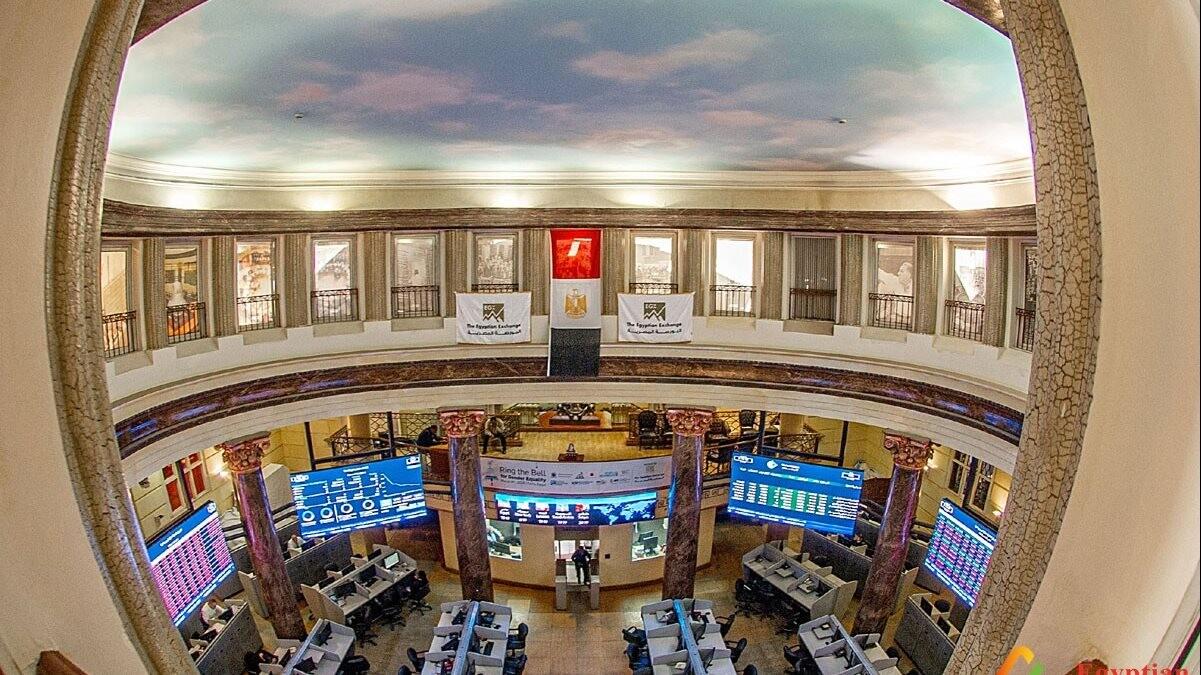
Subsidiaries Move Towards the EGX
CIHC is also participating in Egypt’s wider state-asset programme, under which public companies have received temporary listings on the Egyptian Exchange ahead of potential share offerings.
An April round included two CIHC subsidiaries — El Nahda Industries, operator of El Nahda Cement Plant, and the Egyptian Company for Pipes and Cement Products (Siegwart) — alongside four companies belonging to the Metallurgical Industries Holding Company.
The programme subsequently expanded to include Chemical Industries Development (CID) and El Nasr for Fertilizers and Chemical Industries, among other state-owned companies.
Temporary listing is a regulatory precursor rather than a completed IPO. Any share sale remains subject to further procedures, market conditions and government decisions over timing and stake size.
Fertilisers Lead Investment Programme
Much of CIHC’s investment pipeline is concentrated in fertilisers and upstream chemicals.
At KIMA in Aswan, the group is developing nitric acid and ammonium nitrate plants, while Delta Fertilizers is rehabilitating its ammonia and urea facilities. El Nasr Fertilizers is upgrading an ammonia compressor to increase production capacity.
The focus reflects fertilisers’ importance to agriculture and exports, but also exposes CIHC to one of the sector’s main constraints: the availability and cost of natural gas, used as both feedstock and energy source.
Elsewhere, Misr Chemical Industries plans a chlorine-granules plant with a private-sector partner, while Sinai Manganese is developing calcined-kaolin production. Other upgrades span railway components, salt processing and manufacturing facilities, with an emphasis on increasing capacity utilisation and replacing selected imports.
Export Target Sets a High Bar
The EGP14.7bn export target is arguably the most demanding element of the new budget.
CIHC had targeted about EGP 22.4bn in revenue and EGP10.3bn in exports for 2025/26. Subsequent company figures put revenue at about EGP20bn and exports at EGP8.7bn — below the targets set at the start of the financial year.
Raising exports by almost 70 per cent in 2026/27 would therefore require stronger plant utilisation, reliable energy supplies and greater competitiveness in overseas markets.
Progressing subsidiaries from temporary listings to actual share offerings would provide another measure of the restructuring programme, widening private ownership while exposing companies to greater disclosure requirements and investor scrutiny.
For CIHC, 2026/27 will test whether factory rehabilitation and restructuring can translate ambitious budget targets into stronger commercial performance.
The EGP30bn revenue goal sets the scale of the ambition. Delivering EGP 14.7bn in exports may provide a clearer measure of whether it is being achieved.
Related news:
Egypt’s FY2026/27 Budget Targets Lower Debt as Record Surplus Funds Service Expansion
Egypt’s Metallurgical Holding Records Historic Profit Growth Across Key Industrial Companies