Israeli documentary NAZA received a reported 24½-minute standing ovation at the Venice Film Festival — widely described as the longest recorded at the festival — before winning the Special Jury Prize, turning an investigative film built around testimony from 24 Israeli military and intelligence insiders into one of Venice’s most consequential political works. Its significance lies less in documenting Gaza’s destruction than in attempting to explain how targets were selected, civilian casualties estimated and strikes authorised inside Israel’s intelligence system.
Directed by Israeli journalists Yuval Abraham and Rachel Szor, co-directors of the Oscar-winning No Other Land, the 80-minute film was assembled from interviews conducted largely in secrecy with soldiers and intelligence personnel involved in surveillance and remote targeting. Its title, NAZA — from the Hebrew Nezek Agavi, or “collateral damage” — refers to the projected number of civilians expected to die alongside a military target.
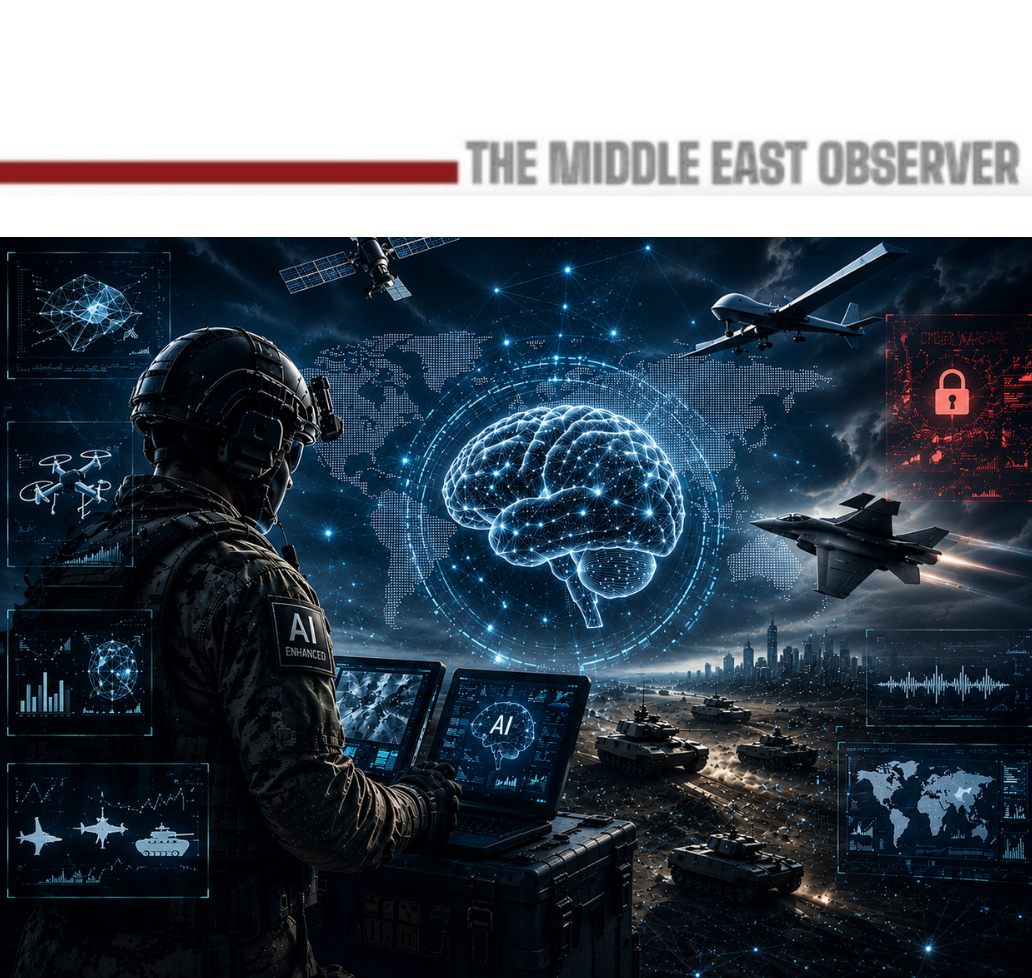
At the centre of the wider targeting architecture is Lavender, an AI-assisted database developed within Israel’s Unit 8200 and first documented in detail in 2024 investigations by Abraham, +972 Magazine, Local Call and The Guardian. Those reports said Lavender processed mass surveillance data to identify tens of thousands of Palestinians as suspected Hamas or Islamic Jihad operatives. The IDF disputed that characterisation, saying Lavender was an intelligence database rather than an autonomous system for selecting people to kill and that analysts remained responsible for verifying targets.
NAZA’s contribution is to move beyond the existence of such technology and place first-hand testimony from personnel inside the targeting process on screen. Insiders describe surveillance data being used to determine when suspects were inside family homes. Reuters reported testimony that information from compromised phones — in one example a child’s device registering that “daddy’s home” — could help indicate that a target had returned, potentially triggering the targeting process.
The most serious testimony concerns the treatment of civilian casualties before attacks. Officers describe cases in which strikes allegedly proceeded despite commanders knowing wives, children and other civilians were present. One source interviewed in the film says approval was given in one operation for an anticipated toll of 500 civilians to kill a single Hamas member. Other witnesses describe civilians being killed after entering military-designated zones whose boundaries they say were not adequately communicated.
The Israel Defense Forces categorically rejects the documentary’s allegations, challenging whether anonymous interviewees can be independently verified, whether some were senior enough to know the policies they describe and the suggestion that anticipated collateral damage demonstrates deliberate targeting of civilians. Israel says its forces strike military objectives under international law, assess proportionality and civilian risk before attacks, and retain human responsibility for targeting decisions.
That defence is weakened by a persistent accountability gap. B’Tselem says only 25 of 739 cases it referred to Israeli military authorities between 2000 and 2015 resulted in charges, while more recent incidents — including the 2024 strike that killed seven World Central Kitchen workers — produced findings of serious failure but no criminal prosecutions. The issue is therefore not the absence of investigations, but their limited consequences: repeated allegations of unlawful force, settler violence and abuses in the West Bank have rarely translated into individual or command-level accountability, raising doubts about whether Israel’s internal mechanisms provide meaningful deterrence.
NAZA therefore matters not because it first revealed that Israel employed advanced surveillance and AI-assisted intelligence in Gaza — much of that had already been reported — but because it places insiders from within that apparatus into the public record. Their testimony shifts scrutiny from the devastation after a strike to the decisions made before it: whether civilian deaths were principally unintended consequences of war, or increasingly quantified risks incorporated into a technology-enabled targeting process. The foundations of which Israel is accountable for intended cleansing and targeted wipe-out of an entire city.
NAZA matters because it puts insiders from Israel’s targeting apparatus on the public record, shifting scrutiny from battlefield destruction to the decisions that authorised strikes killing civilians. Their testimony raises sharper questions: who bears legal responsibility, who pays to rebuild Gaza, and who answers for conduct there and continuing abuses in the West Bank? The ultimate test is whether international law is genuinely universal — or selectively enforced when geopolitical power intervenes. If repeated alleged violations can proceed without meaningful consequence, the credibility of the international legal order itself is at stake.
Related news:
Venice Film Festival Opens With Boyle, Clooney and Gaza in Spotlight
Aswan International Women Film Festival Marks 10th Edition with 65 Films from 33 Countries
Read also:
Houthi Threat Opens Second Front in Regional Shipping Crisis
UAE Deploys AI-Generated Spokesperson in Digital Government Push