Six World Heritage properties, two biosphere reserves and Tunisia’s first Global Geopark give the region new assets spanning coral reefs, cedar forests, mountain ecosystems and historic settlements — but converting recognition into tourism revenue will depend on protecting what makes them scarce.
Nine sites across the Middle East and North Africa have gained new UNESCO recognition so far in 2026, giving governments additional tourism assets ranging from coral reefs and cedar forests to medieval fortresses and historic villages — while confronting them with a harder challenge: turning international recognition into visitor spending without degrading the sites themselves.
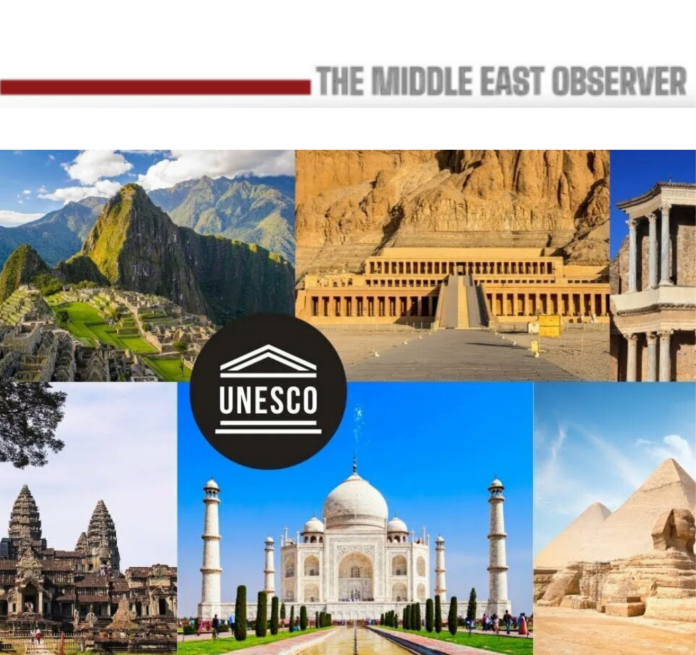
The designations span three separate UNESCO programmes. Six properties entered the World Heritage List, two joined the World Network of Biosphere Reserves, and one became a UNESCO Global Geopark. Together they cover Tunisia, Algeria, Iran, the UAE, Jordan, Lebanon and the State of Palestine. UNESCO added 25 World Heritage properties globally at its July meeting alone.
The breadth matters because MENA tourism is increasingly being built on more than archaeological monuments, beaches and large-scale hospitality. UNESCO’s 2026 selections extend that proposition into geology, biodiversity and living landscapes — assets that are difficult to replicate and whose commercial value ultimately depends on their preservation.
Tunisia Tests a Broader Tourism Model
The sequence began on April 22, when UNESCO designated Dahar in southern Tunisia as the country’s first Global Geopark and only the third in Africa.
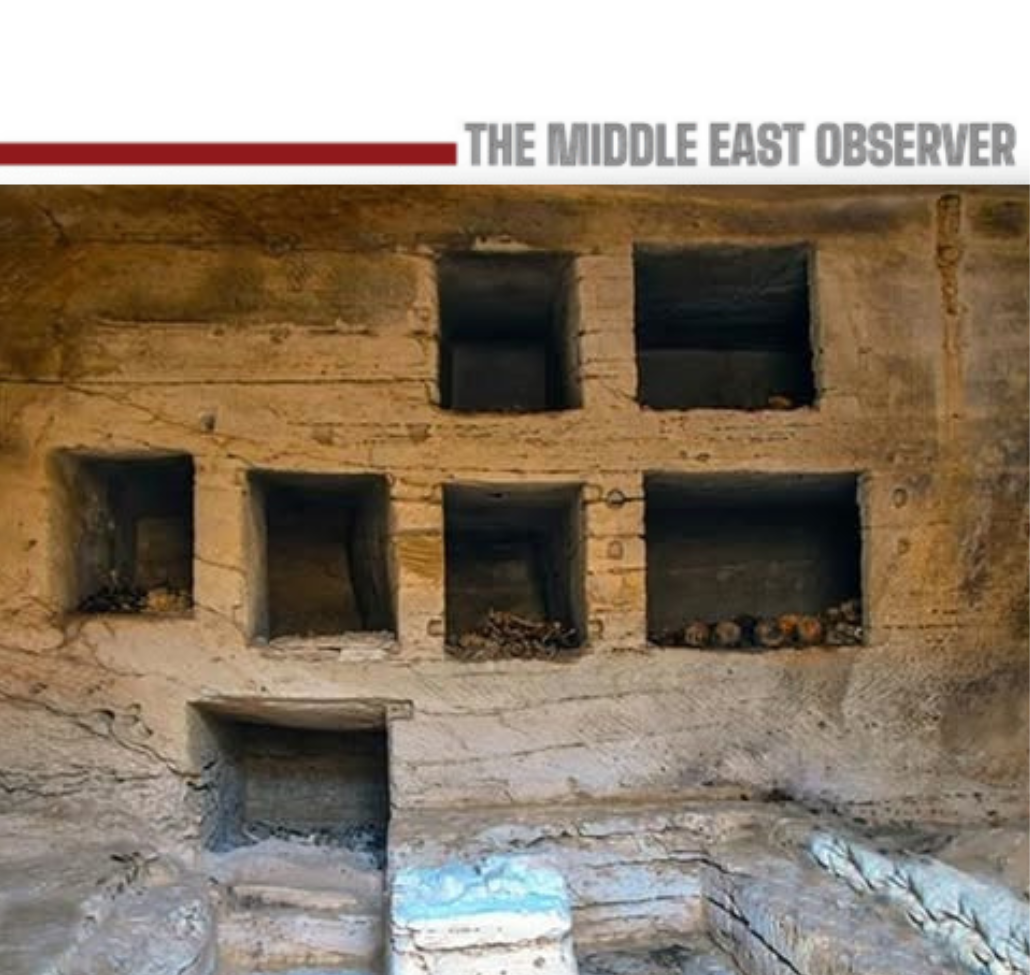
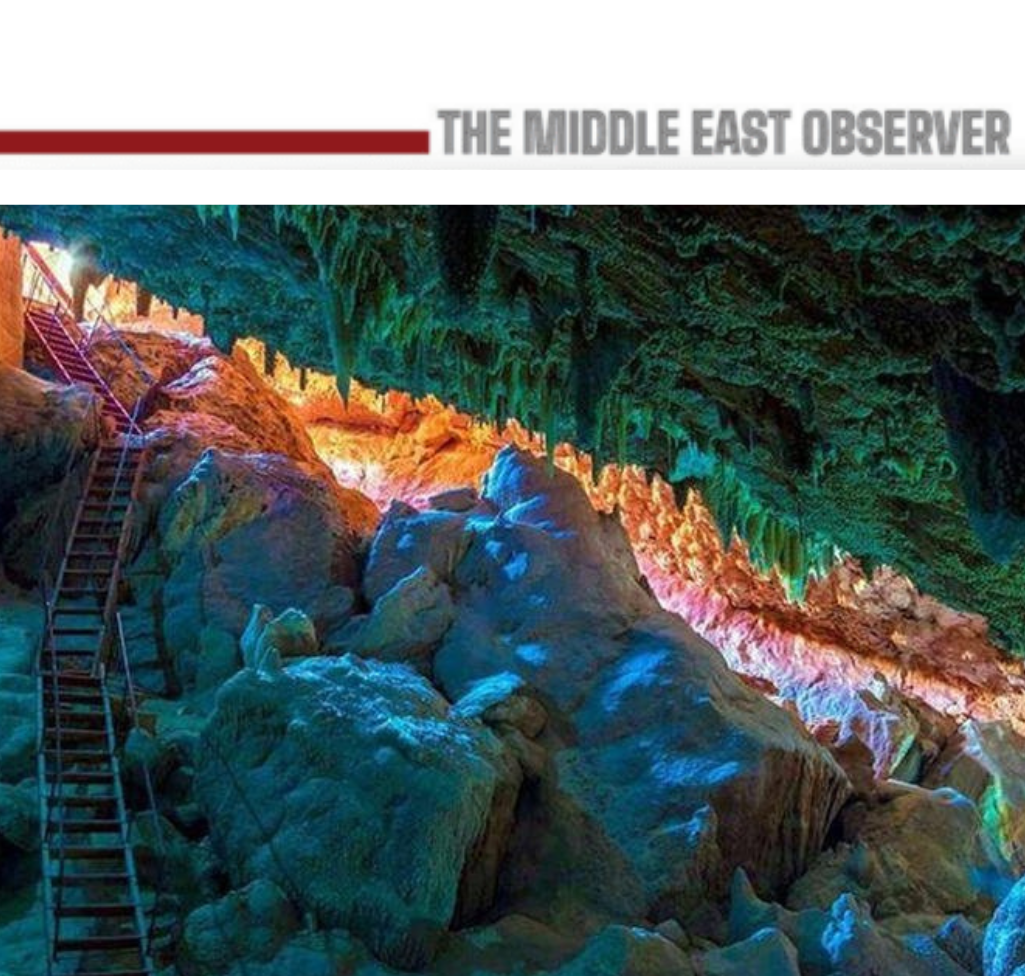
Covering 600,000 hectares and home to about 330,000 people, Dahar preserves a geological record extending roughly 250mn years. But its economic relevance lies in the relationship between that landscape and the communities living within it. UNESCO highlights traditional water systems, fortified granaries, troglodytic dwellings, food and crafts alongside a developing tourism sector supported by improving transport access.
Dahar therefore offers Tunisia something different from its established coastal resort model: a platform for geotourism, desert routes and community-based hospitality capable of spreading visitor expenditure into the southern interior.
That diversification comes as Tunisia’s tourism industry continues to expand. Tourism receipts reached TND3.35bn in the first half of 2026, about 4.4% above the same period of 2025, following more than 11mn visitors in 2025. The government has said it expects arrivals to exceed 12mn this year.
Tunisia gained a second UNESCO designation in July when Sidi Bou Saïd entered the World Heritage List. Yet its inclusion also illustrates why more tourists are not necessarily the objective.
UNESCO specifically requested a carrying-capacity study and a tourism strategy addressing overtourism, alongside stronger management of development and conservation.
For destinations already attracting substantial traffic, the economic test is therefore shifting from visitor numbers to visitor yield: longer stays, higher spending on culture, food and crafts, and better integration with surrounding destinations rather than simply increasing footfall.
Nature Becomes Tourism Capital
UNESCO’s second regional wave came on June 5, when Algeria’s Theniet El Had and Iran’s Dalankuh-Qamishlou joined its World Network of Biosphere Reserves.
Theniet El Had is centred on Algeria’s Atlas cedar landscape in Tissemsilt Province, while Dalankuh-Qamishlou extends across a much larger transition between Iran’s Zagros Mountains and Central Plateau. UNESCO’s biosphere model is designed to combine biodiversity protection, scientific research and sustainable economic activity by communities living within such landscapes.
The designations therefore create potential for controlled hiking, wildlife tourism, research, environmental education and local enterprises without treating protected territory as a conventional mass-tourism product.
That same principle became more commercially significant in July when Wadi Wurayah in Fujairah and Aqaba Marine Reserve in Jordan joined the World Heritage List.
Wadi Wurayah became the UAE’s first natural World Heritage property. The 22,000-hectare Hajar Mountain site contains permanent freshwater pools, streams and waterfalls within an otherwise arid environment and supports unusually high biodiversity.
For the UAE, the designation adds an internationally recognised nature destination to a tourism economy better known for cities, resorts, retail and major events. The opportunity is not high-volume development inside the protected area, but controlled nature tourism and research that broaden the country’s visitor proposition.
Jordan’s Aqaba Marine Reserve presents the economic trade-off even more clearly.
The reserve protects the world’s northernmost tropical coral-reef system and contains more than 150 hard-coral species, over 500 fish species and around 1,000 mollusc species. Its unusually heat-resilient corals also carry scientific significance as ocean temperatures rise.
But UNESCO simultaneously called for continued monitoring of pollution, desalination discharge, sedimentation, light and other pressures — an explicit warning that the infrastructure supporting Aqaba’s economic development can also threaten the natural capital behind its World Heritage status.
The stakes are material. Jordan’s tourism revenues reached about $3.5bn in the first half of 2026, but fell 5.3% year-on-year as regional instability weighed particularly on American and European receipts. The kingdom nevertheless attracted about 3.15mn visitors over the period.
Aqaba itself demonstrated strong domestic and regional demand during the May holiday period, when Aqaba and Wadi Rum received more than 136,000 visitors and hotel occupancy averaged 96%.
World Heritage status gives Aqaba another competitive asset. It also increases the cost of getting development policy wrong.
Cultural Heritage Faces the Same Yield Test
Iran’s second UNESCO recognition of the year came through the July inscription of Alamūt Castle and Related Fortifications, a seven-part medieval defensive network in the Alborz Mountains associated with the Nizari Ismaili state.
The site’s economic opportunity is relatively straightforward: combine cultural heritage with mountain tourism and direct some international visitors beyond Iran’s established urban heritage centres. UNESCO’s conservation requirements, however, place limits on how that demand should be developed.
Across the region, the lesson is becoming consistent. UNESCO status can strengthen destination branding, but designation alone does not generate economic returns. Governments still need transport links, site management, trained guides, digital interpretation, accommodation, local supply chains and viable routes connecting heritage attractions with wider itineraries.
More importantly, those investments must be designed around the site’s carrying capacity rather than imposed upon it.
Lebanon and Palestine Define the Limit
The final two World Heritage inscriptions expose the limits of treating UNESCO recognition simply as a tourism asset.
Lebanon’s Mount Amel Castles and Sebastia in the State of Palestine were both processed through emergency procedures and immediately added to the List of World Heritage in Danger.
Mount Amel comprises five fortifications in southern Lebanon that UNESCO said had suffered damage and continued to face serious threats from armed conflict. Sebastia, northwest of Nablus, contains archaeological layers extending across Iron Age, Hellenistic, Roman, Byzantine, medieval and Ottoman periods.
Their economic significance is therefore secondary to a more fundamental requirement: before heritage can generate tourism value, it must survive.
For both sites, UNESCO recognition principally provides greater international visibility, documentation and a framework for safeguarding and eventual restoration. Tourism can become part of the economic case only when security and conservation permit it.
From Visitor Volume to Visitor Value
Taken together, the nine 2026 designations point towards a broader definition of MENA’s tourism capital.
The region already possesses some of the world’s strongest archaeological, religious, coastal and urban tourism assets. UNESCO’s latest recognitions demonstrate that its competitive inventory also includes reefs, geological formations, forests, mountain ecosystems and inhabited cultural landscapes.
The commercial opportunity lies not simply in adding nine names to international registers, but in building economic activity around them: specialist accommodation, guided experiences, museums and interpretation centres, transport services, research facilities, local food, crafts and community businesses.
Yet UNESCO designation is neither a development permit nor a guarantee of tourism revenue.
Sidi Bou Saïd illustrates the risks of excessive demand. Aqaba shows how surrounding infrastructure can threaten the environmental asset attracting visitors. Dahar demonstrates how tourism can instead distribute income across local communities. Lebanon and Palestine show that preservation must precede monetisation.
The strongest economic model is therefore not maximum visitor volume, but maximum sustainable value per visitor.
For MENA governments, the policy test after UNESCO recognition should be measurable: whether visitors stay longer, spend more locally, travel beyond established tourism centres and contribute directly or indirectly to conservation — without exceeding the capacity of the site itself.
The nine designations give the region additional international recognition in 2026. Whether they become durable economic assets will depend on what governments do next.
MENA’s opportunity is to turn recognised scarcity into higher-value tourism without allowing tourism itself to destroy the scarcity that created the value.
Related news:
Egypt Launches Saqqara Infrastructure Upgrade to Expand Cultural Tourism
Egypt’s Khaled El-Enany Elected UNESCO Director-General in Historic Landslide
Read also:
Egypt Has the Assets to Build a Global Exhibition Economy
Elsewedy Backs Egypt Data-Centre Push With $100mn Investment