Egypt leads Africa in liner-shipping connectivity as rapid South-South trade growth and geopolitical disruption redirect commerce across Asia, the Gulf and Africa.
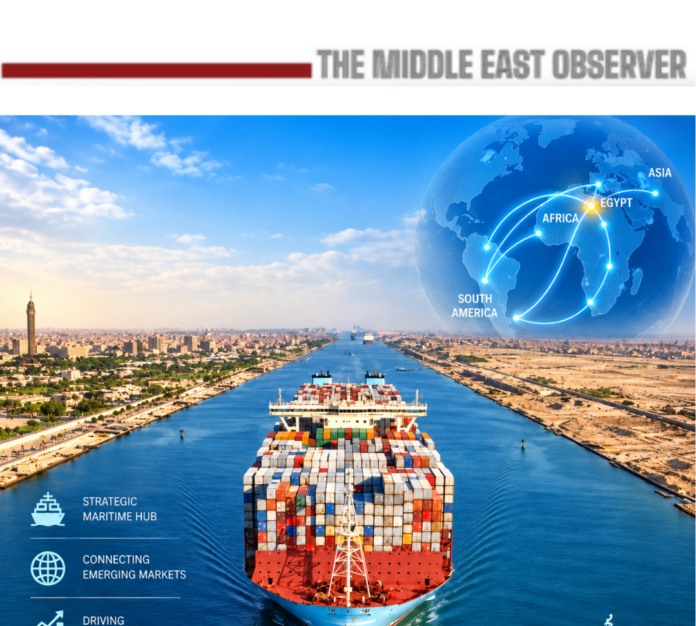
UN Trade and Development identifies Egypt as Africa’s most connected economy to global liner-shipping networks, reflecting its position across Mediterranean and Red Sea routes. The country stood 19th globally in 2026, up from 23rd in 2024, according to the Transport Ministry.
The advance comes as trade between developing economies accelerates. South-South merchandise trade reached $7.2tn in 2025, rising 17.2% year-on-year and accounting for 28% of global merchandise trade, compared with 11% in 2000.
US-China trade fragmentation, Red Sea and Gulf security disruptions and supply-chain diversification are increasingly redirecting commerce towards alternative partners and routes. The shift points less to globalisation than to a restructuring of global trade around more diversified networks.
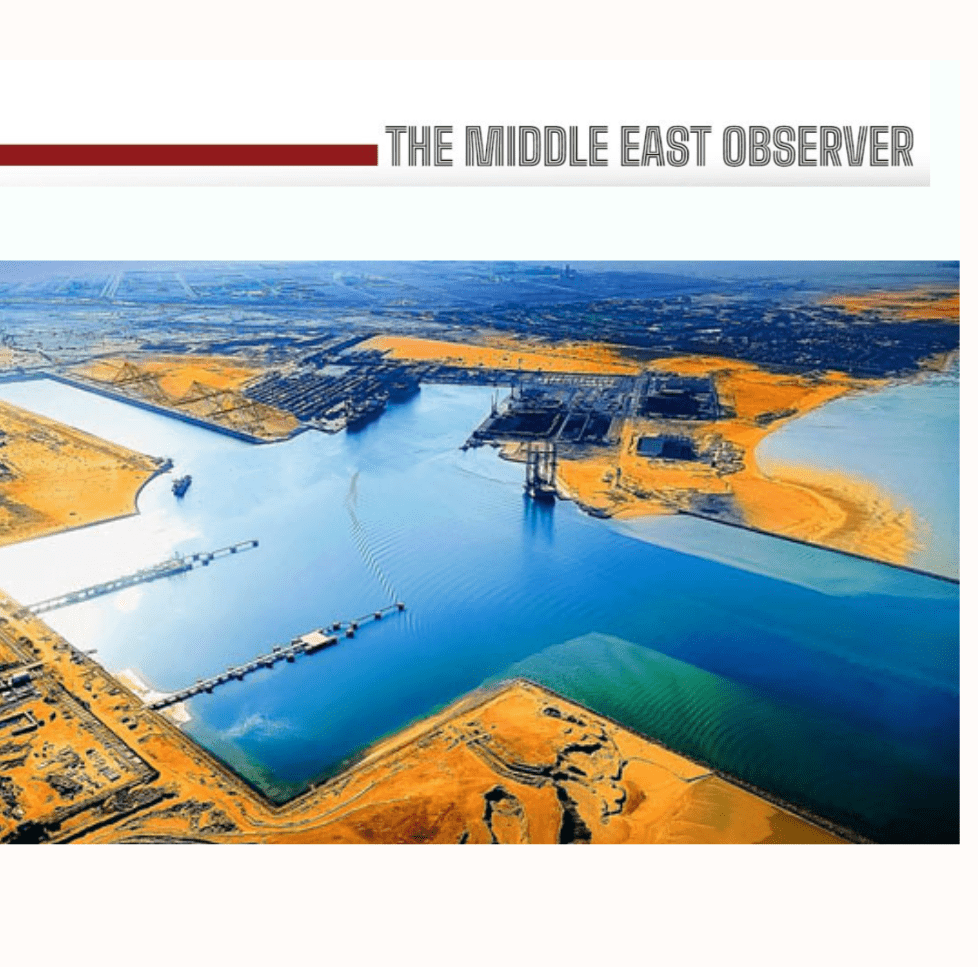
Egypt enters that transition with a significant maritime advantage. Its ports handled 233mn tonnes of cargo in 2025, up 12%, while container throughput rose about 25% to 11.1mn TEUs. Transit containers increased 36% to 6.7mn TEUs.
The opportunity extends beyond carrying more traffic through the Suez Canal. Egypt is developing Red Sea-Mediterranean logistics corridors linking ports including Sokhna, Alexandria and Damietta with rail, industrial zones and inland logistics infrastructure.
That network places Egypt across Asia-Europe, Gulf-Mediterranean and Asia-Africa trade flows, while deeper integration under the African Continental Free Trade Area could expand its role as a gateway into African markets.
The strategic challenge is to convert connectivity into economic value through transshipment, manufacturing, re-exporting and logistics services.
UNCTAD’s connectivity index measures access to shipping services, capacity, carriers and international links; it does not measure port productivity. Egypt therefore still needs faster cargo handling, efficient customs procedures, competitive logistics costs and stronger integration between ports and industry.
As South-South trade takes a larger share of global commerce, Egypt’s opportunity is shifting from controlling a transit route to building a broader trade platform — capturing more of the value generated by goods and supply chains moving between Asia, the Gulf, Africa and Europe.
Related news:
From ‘Made in Egypt’ to a Global Export Miracle
Egypt, Montenegro Sign Maritime Pact to Deepen Trade and Strategic Cooperation
Read also:
Arish–Taba Axis Gains Momentum with New Logistics Hub
Egypt, Uzbekistan Explore Industrial Investment Zones to Boost Trade