Washington’s diesel agreement with Moscow, the collapse of a proposed energy ceasefire and disputed restrictions on Ukraine’s US-controlled Starshield military communications have exposed a widening strategic divide between Washington and Kyiv. As both Russia and Ukraine intensify attacks on energy infrastructure, diplomatic efforts to contain the conflict are faltering, further undermining prospects for a negotiated settlement.
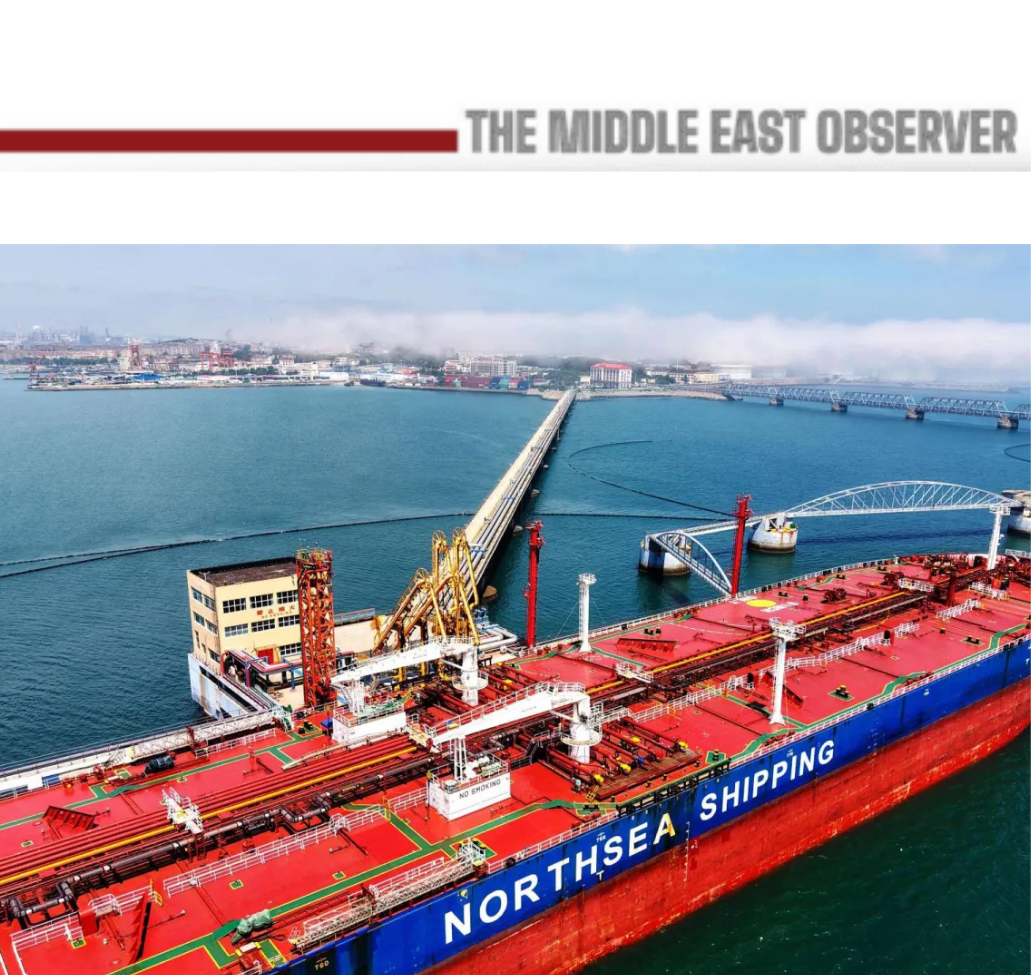
On 9 October, Trump announced an agreement with Russian President Vladimir Putin to release more than 300,000 tonnes of diesel onto international markets, accompanied by temporary US sanctions relief. The arrangement sought to ease fuel prices ahead of November’s congressional elections and encourage Moscow to resume peace negotiations.
Reuters reported that the broader fuel-price surge was driven principally by the conflict involving Iran and disruption to Gulf energy supplies, although Ukrainian refinery strikes had further constrained Russian fuel production. Analysts questioned whether the additional Russian diesel would materially reduce prices, with the initial volume amounting to less than a day’s consumption by the US transport sector.
At parallel negotiations in Miami, American envoys Steve Witkoff and Jared Kushner pressed Ukrainian representatives to halt attacks on Russian refineries. Washington argued that the diesel arrangement could encourage Moscow to negotiate, while Kyiv insisted that any suspension of strikes required Russian reciprocity. The talks ended without an agreement, according to Reuters.
On 11 October, Trump announced an immediate ceasefire covering Russian and Ukrainian energy infrastructure. Neither Moscow nor Kyiv formally confirmed the arrangement. Ukraine temporarily suspended refinery strikes, but Russian attacks on its electricity network continued.
During 13–14 October, Ukrainian forces reported unexpected restrictions on SpaceX’s military-grade Starshield communications service. Terminals moving faster than approximately 160 kilometres per hour lost connectivity, disrupting drone interception, reconnaissance and battlefield operations. Elon Musk said Starshield was controlled by the US government and that operating restrictions were determined by American military or presidential authorities.
Reuters subsequently reported, citing two American officials and a Western official, that instructions to restrict Starshield originated inside the White House. The officials did not identify who authorised the decision. Trump denied ordering the restrictions, and their precise purpose remains unconfirmed.
On 15 October, Ukraine resumed attacks on Russian refineries, striking a Rosneft facility in Ryazan. President Volodymyr Zelenskyy accused Moscow of disregarding the proposed ceasefire and criticised Washington’s diesel agreement and sanctions relief. Trump condemned the renewed refinery strikes, blaming them for worsening global fuel pressures.
At its 15–16 October summit, the European Council reaffirmed support for Ukraine and welcomed an agreement to release €6.6 billion in military assistance through the European Peace Facility. It also criticised Washington’s relaxation of Russian diesel sanctions while calling for an immediate ceasefire and meaningful negotiations.
The confrontation escalated on 18 October when Ukraine launched one of its largest drone attacks on Russia, striking St Petersburg’s oil export terminal, fuel storage facilities and other infrastructure. Russian authorities reported one death and several injuries. Zelenskyy separately said Russia had attacked Ukrainian energy, oil and gas facilities 76 times during the preceding week.
On 19 October, Russia launched another coordinated missile and drone assault, damaging more than 10 Ukrainian energy facilities and disrupting electricity, heating and water supplies for more than 500,000 people, according to Zelenskyy. The Associated Press reported that a 21-year-old woman was killed in Kyiv.
The opposing campaigns reflect different but systematic military strategies. Research by the Center for Strategic and International Studies identifies Russia’s concentrated missile and drone attacks on Ukraine’s electricity network, industrial centres and transport infrastructure as a sustained effort to weaken logistics, economic resilience and civilian morale. The campaign demonstrates coordinated targeting, although the accuracy of individual strikes varies and civilian infrastructure has suffered extensive damage.
Ukraine’s refinery campaign is equally deliberate rather than sporadic. An October investigation by The Washington Post examined 54 strikes between April and August, finding that more than half appeared to damage critical desalting and distillation equipment. These attacks seek to disrupt Russian fuel production and impose prolonged repair costs. Both campaigns are systematic, but their scale, target selection and effects on civilian populations differ substantially.
The diplomatic dispute remains unresolved. US Secretary of State Marco Rubio denied on 19 October that Washington had suspended intelligence sharing, contradicting Zelenskyy’s account of a temporary interruption. Ukraine was still seeking the removal of Starshield’s operating restrictions, with no confirmed full restoration. Diplomatic contacts continued, but no enforceable energy ceasefire had emerged.
The confrontation exposes more than Ukraine’s dependence on foreign-controlled military technology. It illustrates how essential defence capabilities can become vulnerable when an ally’s economic and diplomatic priorities diverge from those of the country relying on them. Washington’s diesel agreement with Moscow and the disputed Starshield restrictions have brought that vulnerability into sharper focus, although a direct causal connection remains unproven.
The failed energy ceasefire has meanwhile exposed the weakness of the peace process. Europe is increasing military and financial support for Ukraine while calling for negotiations, yet no enforceable framework has emerged to halt reciprocal attacks. Military commitments are advancing more concretely than diplomatic progress.
The central lesson is that military capabilities cannot substitute indefinitely for an effective political settlement. Continued escalation increases the dangers of miscalculation, particularly as nuclear arms-control arrangements weaken, a risk highlighted by the Stockholm International Peace Research Institute in June. A sustainable resolution requires verifiable de-escalation, protection of civilian infrastructure, direct negotiations and credible security guarantees. Without such mechanisms, additional military expenditure may prolong the conflict while leaving the underlying security disputes unresolved.
Related News:
UNGA81: The World Has Solutions. What It Lacks Is Execution
International peace frameworks and the obstacles preventing diplomatic proposals from becoming enforceable agreements.
NATO Ankara Summit Strengthens Collective Defence as Allies Accelerate Military Modernisation
European defence commitments, military modernisation and sustained support for Ukraine.
Read Also:
World Builds a De Facto Oil Price Corridor to Carry Markets Through Winter
How governments are responding to the global fuel shortage, refinery disruptions and the Iran-war energy shock.
SpaceX Launches Classified NRO Mission as Washington Accelerates Orbital Intelligence Expansion
The growing strategic importance of commercial satellite networks in US military and intelligence operations.