

Government plans one million homes and higher public-sector pay as financing, inflation and private investment become key tests of its economic ambitions.
CAIRO — Egypt is targeting an 87.5% increase in the public-sector minimum wage to EGP 15,000 a month by fiscal year 2029/2030 and a four-year housing programme worth an estimated EGP 1 trillion, as the government seeks to improve living standards while accelerating economic growth.
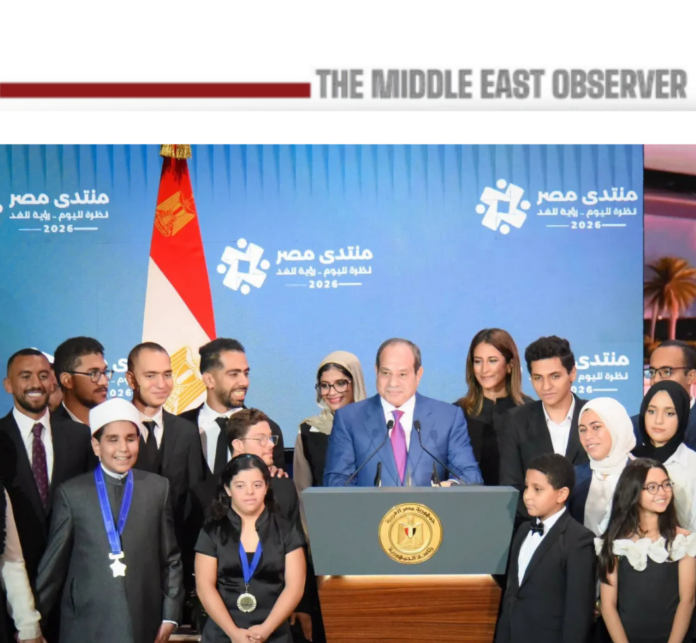
Prime Minister Mostafa Madbouly presented the proposals at the closing session of Egypt Forum 2026 on October 24, outlining recommendations that the government has been directed to implement.
The wage target represents an increase from the current EGP 8,000 monthly minimum. Its impact on household purchasing power will depend on inflation, while the government has yet to disclose the annual fiscal cost or a detailed implementation timetable.
The housing programme aims to deliver approximately one million units over four years in cooperation with the Tahya Misr Fund. It includes social housing, rent-to-own schemes, accommodation for industrial workers and middle-income developments, with opportunities for private developers.
The estimated EGP 1 trillion investment implies an average allocation of EGP 1 million per planned unit, although this is not a confirmed construction cost. Detailed financing commitments and the division of funding between participating institutions and developers remain undisclosed.
Private Investment and Growth Targets
Egypt’s proposed national economic transformation programme targets annual growth of 6.8% by fiscal year 2029/2030, alongside inflation of 7% and unemployment of 5.5%.
The government also aims to increase total investment to 20% of GDP and raise the private sector’s share of investment to 67%, with agriculture, manufacturing, information technology, tourism and energy identified as priority sectors.
For contractors, developers and building-material suppliers, the housing initiative could generate substantial demand. Higher wages could support consumer spending, but the real economic benefit will depend on inflation and the government’s ability to finance its commitments.
The proposals underline a broader policy challenge: expanding household support and housing investment while containing public debt and encouraging greater private-sector participation.
The next test will be whether the government converts the forum’s recommendations into funded programmes, clear implementation schedules and measurable improvements in household incomes and productive investment.
Related News:
1. Egypt’s EGP11tn Deal Signals New Push to Turn State Assets into Growth
2. Egypt to Offer 50 New-City Land Plots to Overseas Investors
Read Also:
1. El-Sisi’s Egypt Forum Puts Living Costs and Reform Plans Under Scrutiny
2. Private Investment Takes the Lead in Egypt’s Economic Shift