

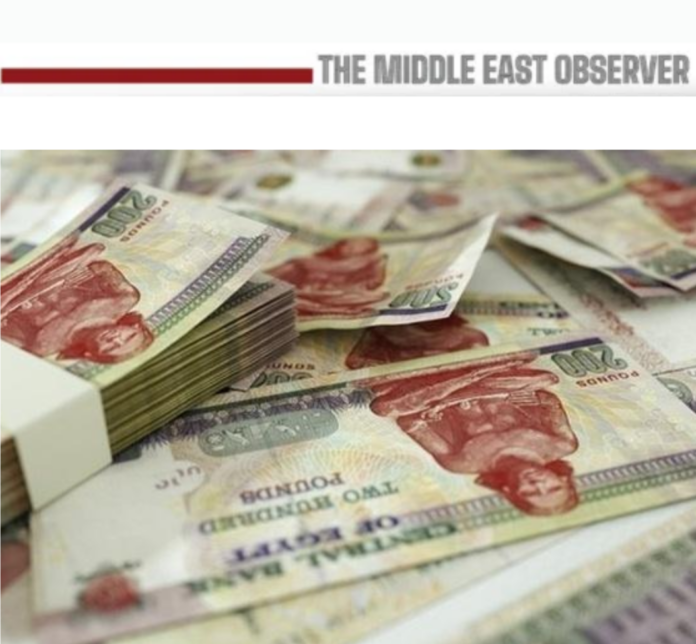
CAIRO, Egypt has approved a 21.4% increase in the private-sector minimum monthly wage to EGP 8,500 from EGP 7,000, effective January 1, 2027, aiming to strengthen household purchasing power and support domestic consumption amid persistent inflation.
The National Council for Wages approved the increase on Sunday at a meeting chaired by Prime Minister Mostafa Madbouly, following President Abdel Fattah El-Sisi’s directives to improve citizens’ incomes.
The council also raised the minimum net hourly wage for temporary and part-time workers to EGP 34 and approved an annual periodic pay increment of at least 3% of the insured wage, with a minimum of EGP 350, effective from the relevant 2027 financial year.
The new wage floor represents a 254% increase from EGP 2,400 in January 2022, reflecting successive adjustments to rising living costs. Over that period to November 2026, the Egyptian pound weakened from approximately EGP 15.7 to around EGP 53.8 against the dollar, increasing the local-currency cost of imports and other foreign-currency obligations. Annual urban inflation stood at 12.7% in October, according to the Central Bank of Egypt.
Higher wages could stimulate household spending, creating growth opportunities for retailers, manufacturers and service providers. Exporters and foreign-currency earners may be better positioned to absorb higher local employment costs, while domestic businesses could benefit from stronger consumer demand.
The increase should be manageable for productive, well-capitalised companies but could squeeze margins at labour-intensive SMEs in the formal sector, particularly those facing limited pricing power and costly financing. Employers may need to accelerate automation, improve productivity and expand revenue to absorb higher payroll costs, with some potentially forced to restructure operations or reduce staffing.
For example, a business employing 50 workers at the current EGP 7,000 minimum would face an estimated EGP 91,200 increase in monthly employment costs, including additional employer social insurance contributions, assuming full wages are insurable and scheduled 2027 contribution rates apply. At a 25% contribution margin, approximately EGP 365,000 in additional monthly sales would be required to offset the increase and preserve operating profit.
Planning and Economic Development Minister Ahmed Rostom said Egypt’s private sector employed approximately 26.5 million people in 2025, representing nearly 83% of total employment, across almost four million formal and informal establishments.
Madbouly emphasised the importance of compliance and directed the formation of a joint government-private-sector working group to examine further wage and income improvements through 2030.
The wage increase could strengthen domestic demand, but its lasting economic benefits will depend on businesses converting stronger consumer spending into profitable growth, productivity gains and sustainable employment.
Related News:
1. Egypt Targets 87.5% Minimum Wage Rise and EGP 1 Trillion Housing Programme by 2030
2. Merchant Pricing or Consumer Power? Who Will Ultimately Shape Egypt’s Markets?
Read Also:
1. Egypt’s Pound Hits Record Low as Debt Selling Deepens Market Strain
2. Egypt’s Next Economic Test: Turning Infrastructure into Industrial Growth and Exports
