

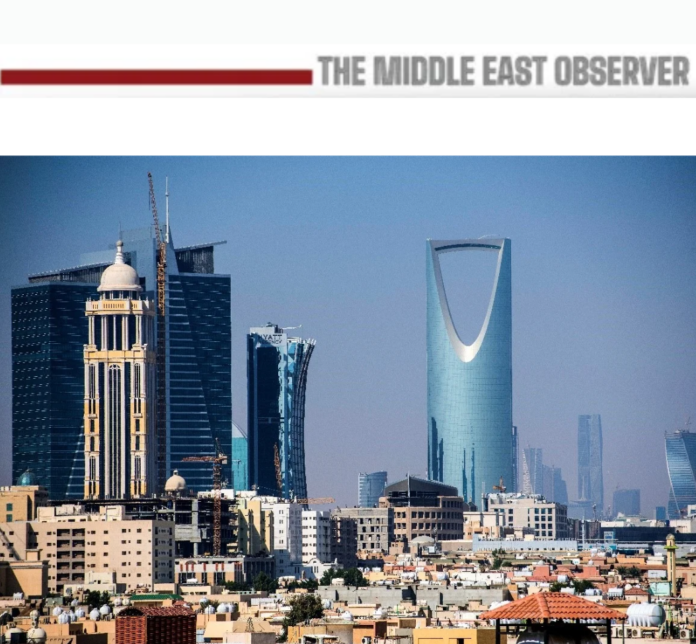
Saudi Arabia’s real estate sales fell 40% year on year to $7.4 billion in October 2026, according to the Real Estate General Authority (REGA), as regional conflict and rising construction costs intensified a property market slowdown already driven by government reforms aimed at improving housing affordability.
The decline comes as Saudi authorities seek to attract foreign investment and make housing more accessible to citizens, while developers contend with higher costs and buyers delay purchasing decisions amid uncertainty over the regional conflict.
Property sales and prices had already been weakening following measures intended to curb speculation and make housing more affordable. Disruptions to supply chains and rising logistics costs linked to the conflict involving Iran and the Houthis have added to those pressures.
Hina Shoeb, managing director for Saudi Arabia at S&P Global Ratings, said the war was increasing construction costs, disrupting supply chains and creating uncertainty over project delivery.
Raw material costs have risen by approximately 20%, according to Shoeb, squeezing contractors’ margins and raising the possibility that developers will reassess project feasibility and construction schedules.
Buyer confidence has also weakened. Faisal Durrani, head of Middle East research at Knight Frank, said the residential market had become more cautious than a year earlier, with uncertainty over the regional outlook affecting purchasing decisions among Saudi nationals.
Although transactions continue, some buyers are taking longer to commit as they assess market conditions and the potential impact of prolonged instability.
REGA figures show significant differences between regional markets. Mecca recorded $2.5 billion in property sales during October, approximately $500 million more than Riyadh despite having a smaller population.
The holy city’s relative strength comes amid Saudi Arabia’s expansion of foreign property ownership rights. The framework, which took effect in January, allows eligible non-Saudis to acquire property in designated areas.
Under the regulations approved in June, foreign ownership zones include 12 areas in Mecca and 10 in Medina, where ownership remains restricted to eligible Muslim buyers. The changes could support longer-term demand from international investors, although their contribution to October transactions has not been established.
Vacant residential land has experienced a much sharper contraction. The value of land sales in October fell to less than half the level recorded a year earlier following changes to the white land tax, which is designed to discourage owners from holding undeveloped plots and encourage construction.
The slowdown has also coincided with a shift in demand towards more affordable housing, as buyers become increasingly sensitive to prices and financing conditions.
Elena Boheme, a Riyadh-based investment adviser, said some prospective purchasers may be waiting for residential developments associated with major projects such as King Salman Park and Sports Boulevard to enter the market.
While buyers seeking homes for their own use remain active, those with greater flexibility may postpone purchases until new projects become available.
The October figures highlight the competing forces shaping Saudi Arabia’s property market: government efforts to improve affordability and stimulate development, alongside a regional conflict that is raising costs and weakening confidence. The duration of those pressures remains a key uncertainty for developers and buyers.
Related News:
1. Saudi Arabia Approves Rules for Foreign Property Ownership
2. Indonesia’s Danantara Plans SAR6bn Makkah Hospitality Investment
Read Also:
1. Saudi Arabia Seeks Private Capital for Major Makkah Development
2. Hassan Allam Launches SAR 3.3bn Residential Project in Riyadh