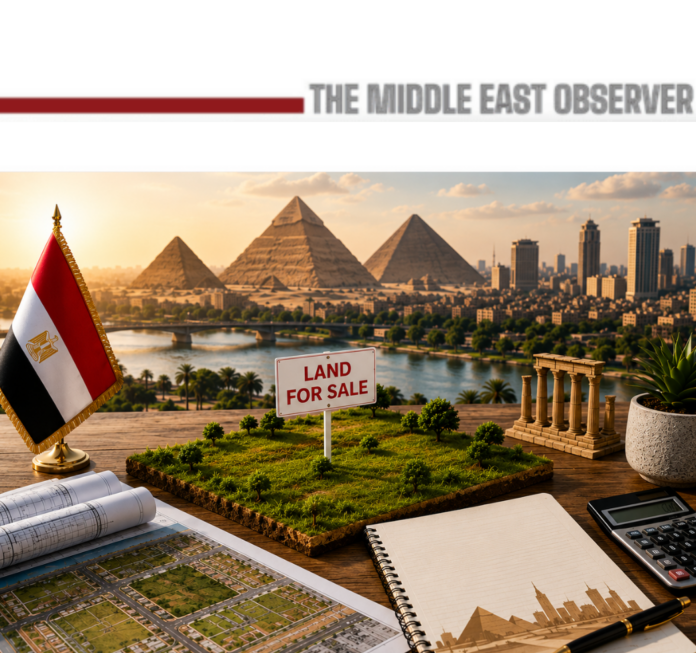
Egypt’s urban transformation is creating new opportunities for long-term property investors. Industry estimates value Egypt’s real estate market at approximately $1.6–1.7 trillion, while the construction sector is worth about $51.7 billion. Supporting this expansion, the government allocated EGP 186 billion (USD 3.8 billion) to urban development in FY2024/25, alongside continued investment in new cities, transport infrastructure and industrial zones.
For investors, however, land should be viewed as a long-term asset rather than a speculative purchase. Because the supply of land is inherently finite and largely inelastic, long-term appreciation is driven primarily by demand, making location, accessibility and economic activity the principal determinants of value.
Economic Fundamentals Drive Land Values
Three structural trends continue to underpin land appreciation across Egypt.
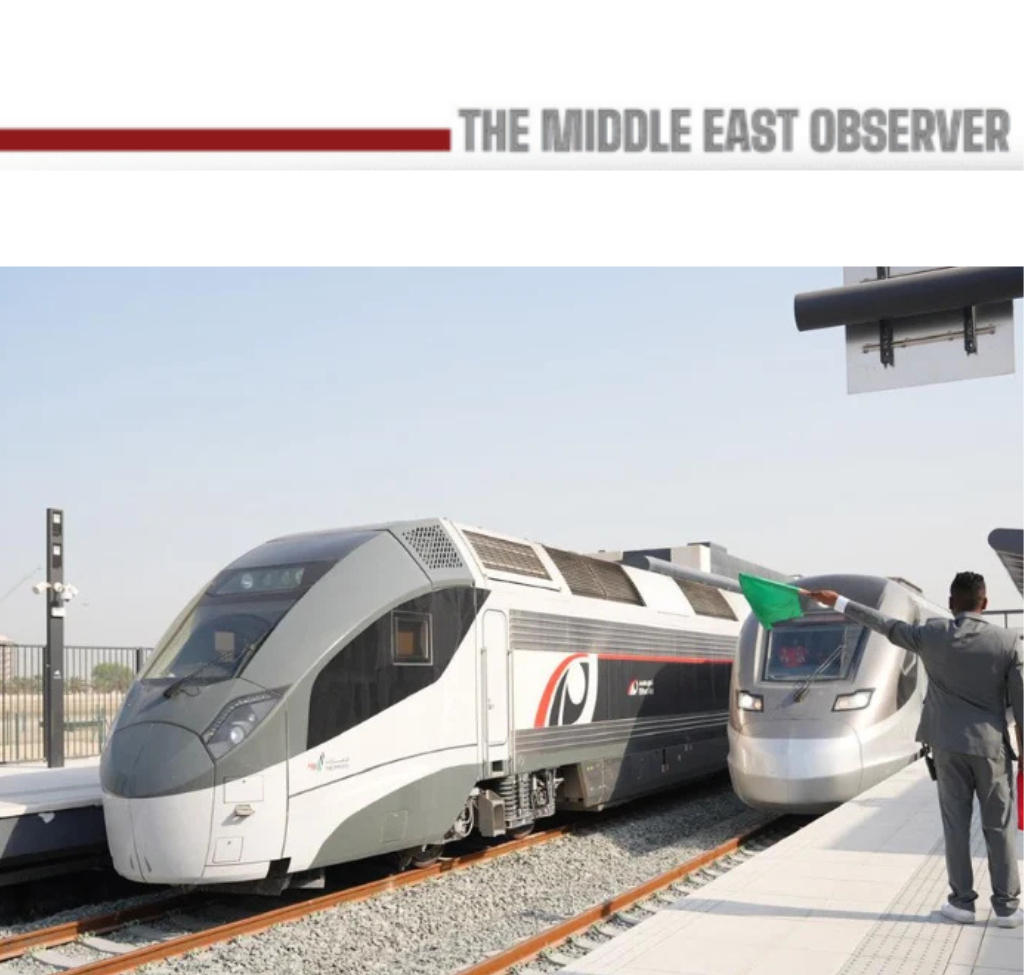
Infrastructure investment improves accessibility and reduces transport costs. Projects including the Cairo Monorail, Light Rail Transit (LRT) and high-speed rail network are increasing the attractiveness of areas surrounding the New Administrative Capital (NAC), New Cairo and other emerging urban centres.
Demographic growth provides sustained demand. Egypt’s population now exceeds 110 million, creating continuous demand for housing and commercial development and encouraging expansion into new urban communities.
Employment concentration further supports land values. As government institutions, financial firms and multinational companies establish operations in new business districts, surrounding land benefits from higher economic productivity and stronger demand. As these factors converge, the economic rent generated by each square metre of land increases, supporting long-term capital appreciation.
Legal Due Diligence Is Critical
Successful land investment depends as much on legal verification as on location. Investors should confirm that the seller holds valid title deeds, allocation decisions and planning approvals, while ensuring that the plot’s boundaries and dimensions correspond with official survey records.
Independent legal advice is equally important. Using a lawyer who is not affiliated with the seller or broker helps ensure impartial verification of ownership history, contractual obligations and any legal restrictions affecting the property.
Know the Ownership Framework
Land ownership in Egypt is governed by different legal frameworks depending on its intended use.
Residential and mixed-use land in new cities is primarily allocated through the New Urban Communities Authority (NUCA), while industrial, agricultural and investment land fall under specialised government authorities. Egypt has also expanded digital services through NUCA’s investor platform, allowing investors to review opportunities and complete much of the allocation process electronically.
Ownership rules differ for foreign investors. While foreign nationals may generally acquire residential property under specified legal conditions, ownership of agricultural land remains prohibited, and investment in desert or strategically sensitive areas is subject to additional regulatory approvals under Egypt’s investment framework.
Registration Protects Ownership
Signing a sale contract alone does not guarantee legal ownership. Investors should ensure that transactions are formally registered through the Real Estate Registry (Shahr El-Aqari) or the relevant specialised registration authority, with all contractual documents, approvals and payment records properly completed to safeguard ownership rights.
Due Diligence Determines Returns
Before committing capital, investors should verify ownership documentation, zoning regulations, permitted land use, existing and planned infrastructure, development obligations and the full acquisition cost, including registration fees, utilities and future construction expenses.
Vacant land also carries risks. Regulatory changes, infrastructure delays, limited liquidity and ongoing holding costs can affect returns, while undeveloped land typically generates little or no recurring income. Consequently, investment performance depends primarily on long-term capital appreciation supported by genuine economic development.
The Bottom Line
Egypt’s continued investment in infrastructure, new cities and economic development is reshaping the country’s real estate landscape. Yet successful land investment depends less on identifying the lowest purchase price than on selecting locations supported by sustainable economic fundamentals, purchasing through official channels and completing rigorous legal due diligence. In a market where land supply is fixed, infrastructure, demographics and employment growth—not speculation—remain the principal drivers of long-term value creation.