Government advances negotiations on two integrated healthcare campuses in the New Administrative Capital and New Alamein as it seeks to attract long-term foreign investment and expand specialised healthcare services.
Egypt has moved closer to securing one of its largest proposed healthcare investments after the government advanced negotiations on two integrated medical cities in the New Administrative Capital and New Alamein, with combined foreign direct investment (FDI) estimated at more than US$5.3 billion.
The projects form part of Egypt’s strategy to expand specialised healthcare capacity, attract international patients and increase private-sector participation in the health sector, while reserving part of the planned hospital capacity for beneficiaries of the Universal Health Insurance System.
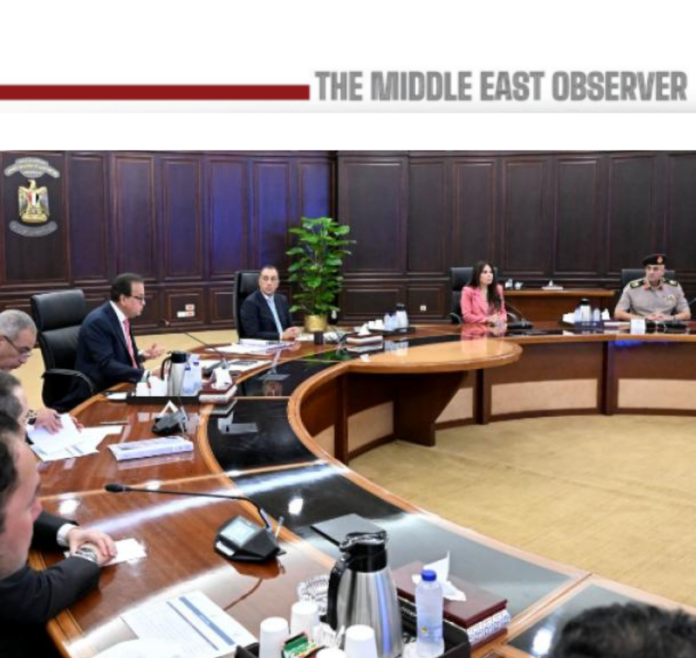
Prime Minister Mostafa Madbouly reviewed the proposals during a meeting with Health and Population Minister Khaled Abdel Ghaffar, senior government officials and representatives of the international consortium expected to implement the developments.
Madbouly said the projects had already undergone several rounds of government review, underscoring their strategic importance, and instructed the relevant authorities to accelerate the remaining executive procedures while finalising the financial and contractual framework.
The discussions indicate that the developments have progressed beyond the conceptual stage but have yet to reach financial close or enter construction. A joint working group comprising government entities and consortium representatives has been tasked with concluding the outstanding technical, financial and legal negotiations before definitive agreements are signed.
According to the consortium, the healthcare campus in the New Administrative Capital would require investment of approximately US$2.8 billion, while the New Alamein development would involve a further US$2.5 billion. The government has not yet disclosed the identity of the consortium, the proposed ownership structure or an implementation timetable.
Abdel Ghaffar said the projects would be financed entirely through foreign direct investment, limiting the immediate burden on public finances. Under the proposed contractual framework, the state would secure a substantial allocation of hospital beds to support Egypt’s Universal Health Insurance System, allowing the developments to serve both domestic healthcare priorities and international patients.
According to the project’s master plan, the integrated healthcare campuses would combine tertiary and specialist hospitals with diagnostic, preventive and therapeutic services, alongside medical schools, research institutes, clinical training centres and administrative facilities designed to strengthen Egypt’s long-term healthcare capabilities and medical workforce.
The New Alamein development is also expected to integrate hospitality facilities, including dedicated accommodation for patients and accompanying family members, reflecting international healthcare models adopted by leading medical tourism destinations in Singapore, Thailand and several Gulf countries, where hospitals, research institutions and hospitality services operate within a single healthcare ecosystem.
Consortium representatives said the projects would rely primarily on Egyptian physicians and healthcare professionals, citing the country’s extensive medical expertise and internationally recognised clinical workforce. The developments are expected to create high-skilled employment opportunities while helping retain experienced medical professionals within the domestic healthcare system.
The developers have projected that the New Administrative Capital healthcare campus could attract more than three million medical tourists during its first three years of operation. However, this figure remains a commercial projection by the consortium rather than an official government forecast, and no independent feasibility study or detailed market assessment has yet been published to support the estimate.
The investment proposal comes as Egypt continues to prioritise foreign direct investment as a key source of long-term economic growth while limiting pressure on public finances. Alongside renewable energy, advanced manufacturing, logistics and digital infrastructure, healthcare has emerged as one of the sectors targeted to attract strategic international capital capable of generating employment, technology transfer and sustainable foreign currency revenues.
Egypt has also been expanding its medical tourism strategy by promoting specialised treatment for patients from Africa, the Middle East and neighbouring countries, supported by comparatively competitive treatment costs, internationally recognised medical professionals and the continued expansion of specialised healthcare infrastructure.
The proposed developments complement the ongoing rollout of the Universal Health Insurance System and other major healthcare initiatives, including plans for a separate medical city in Ain Sokhna, reflecting a broader national strategy to position healthcare as both a public service and a high-value economic sector.
Despite the scale of the proposed investment, several uncertainties remain. The projects are still subject to the completion of technical negotiations, regulatory approvals and final contractual agreements, while the government has yet to announce construction schedules, operating models or the identity of the international investors participating in the consortium.
The outcome of the current negotiations will therefore be closely watched by investors and the healthcare sector alike. If successfully concluded, the developments would rank among the largest healthcare investments in Egypt’s history and could significantly strengthen the country’s ambition to become a regional centre for specialised healthcare, medical education, clinical research and medical tourism.
Related news:
Egypt’s Universal Health Insurance: Can the Port Said Model Deliver Nationwide Healthcare Reform?
Egypt Signs $3.38m Agreement with WHO and Japan to Strengthen Emergency Healthcare
Read also:
MENA Market Snapshot: How Healthcare, Biotechnology and Food Security Are Reshaping Regional Growth