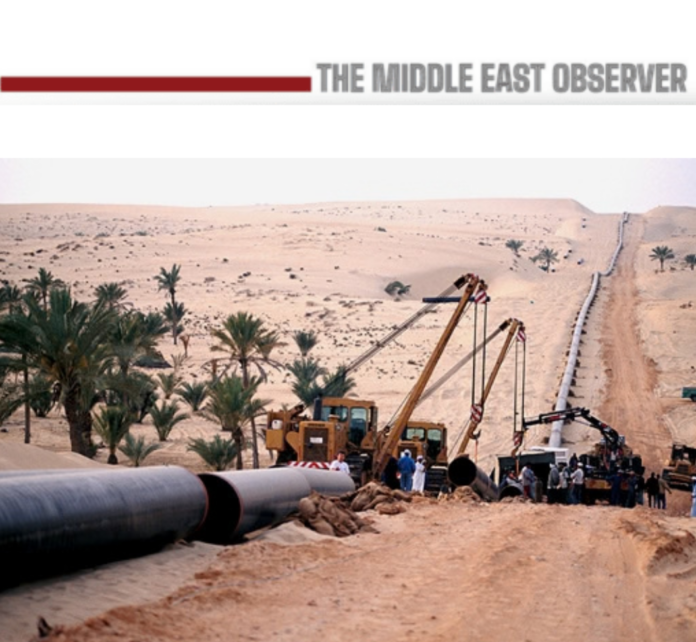
Algeria has begun construction of its section of the Trans-Saharan Gas Pipeline, giving the decades-old Nigeria-Niger-Algeria project its most significant physical development milestone in years.
Sonatrach launched work on June 4 at Aoulef in Adrar province, a day after Algeria, Niger and Nigeria approved an updated feasibility study for the roughly 4,200-kilometre project.
The 1,210km Algerian section will run from the Niger border to Aoulef, where it will connect with Algeria’s existing gas network towards Hassi R’Mel, the country’s principal gas hub.
That connection is central to the project’s economics. Nigerian gas could eventually enter established Algerian infrastructure serving international and European markets without requiring an entirely new northern export system.
The pipeline is designed initially to carry about 20bn cubic metres of gas annually, with capacity potentially rising to 30bn.
The project is being developed by Algeria’s Sonatrach, Nigeria’s NNPC and Niger’s SONIDEP. Niger’s petroleum minister has said construction of the Nigerien section is expected to begin in early 2027.
Financing, security and execution risks remain across the wider three-country route. But Algeria’s start of construction marks a tangible advance for a project that has spent years stalled between agreements, feasibility studies and political disruption.
Related news:
Algeria Tenders Mobile Coverage for 3,000 Remote Communities
Algeria Begins Work on Trans-Saharan Gas Linking Nigeria to Europe
Read also:
Pharco Deepens Saudi Footprint While Studying New African Manufacturing Bases
Artificial Intelligence Is Reshaping Healthcare Across Egypt and the Middle East