

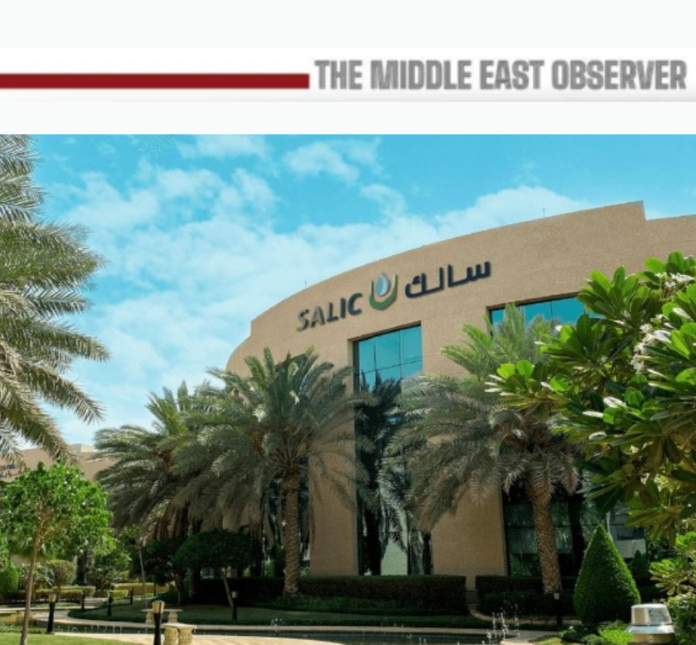
Saudi Arabia is extending its presence in Africa’s agricultural supply chains as Olam Agri commits $400 million to food and animal-feed processing projects across the continent through 2028, alongside the start of construction of a $70 million Nigerian feed complex.
The Singapore-based agribusiness, controlled by Saudi Arabia’s Public Investment Fund (PIF) through its agricultural subsidiary SALIC, announced the programme on November 4. The planned expenditure follows approximately $115 million invested in West African processing facilities since 2024, bringing combined past spending and planned investment to $515 million.
Nigeria anchors the expansion. Olam Agri has broken ground on a $70 million integrated feed complex at Ogwashi-Uku in Delta State, designed to produce 1,500 tonnes of poultry feed and 300 tonnes of aquaculture feed daily, supported by 125,000 tonnes of grain storage.
The company also plans to expand semolina production and add 850 trucks to its Nigerian distribution network.
Elsewhere, Cameroon will receive a 300,000-tonne-a-year poultry-feed plant, scheduled to begin operations in early 2028. Côte d’Ivoire will see new investments in wheat milling, animal feed and poultry breeding, while Ghana’s pasta-manufacturing capacity will expand. Angola remains under consideration for future investment.
The agricultural impact could extend well beyond manufacturing. Olam Agri estimates that its planned Nigerian, Cameroonian and Ivorian feed facilities could generate annual demand for more than 500,000 tonnes of maize and soybeans from over 130,000 smallholder farmers once fully operational.
The programme also strengthens Saudi Arabia’s international agribusiness position. SALIC raised its stake in Olam Agri to 81.81% in June 2026, following a $1.88 billion acquisition completed in April and the subsequent integration of Continental Farmers Group.
Africa’s expanding urban population, rising demand for processed staples and increasing consumption of poultry and fish underpin the investment strategy.
By processing more agricultural commodities locally, Olam Agri aims to reduce distribution costs, strengthen supply chains and improve food availability. The economic benefits could include higher agricultural incomes, industrial employment and reduced reliance on imported finished products, although imported raw materials will remain important.
The decisive test will be implementation: bringing factories into operation on schedule, securing competitive local grain supplies and translating additional processing capacity into affordable food.
Related news:
- Global Food Giants Warn of 2027 Price Rises as MENA Faces Uneven Inflation Shock
- Saudi Arabia to Boost Diplomatic Presence and Investment in Africa
Read also:
