
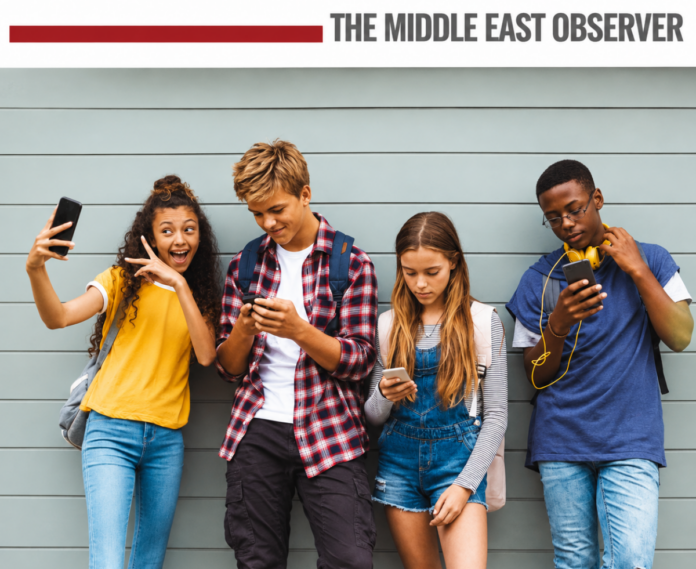
When popularity is measured in views and likes, what teenagers encounter online can become more than entertainment. From viral challenges to influencer-driven lifestyles, the pressure to fit in is increasingly shaping their choices, expectations and sense of self.
A viral trend may last only seconds on screen, yet its consequences can extend far beyond the moment it disappears. In a world where popularity is measured through views and likes, online content can become something teenagers imitate—or a standard against which they measure their own acceptance.
In September, a 14-year-old boy in Arizona was reportedly arrested after participating in a viral social media challenge that caused thousands of dollars in property damage.
A month later, rumours of a supposed coordinated school attack spread fear across Poland, prompting police intervention. Authorities found no verified evidence linking the threats to an organised online challenge.
Although different, the incidents raise a broader question: how can fleeting online content encourage imitation or generate fears that spill into everyday life?
Yet digital influence does not always appear as a dangerous challenge or a police investigation. It can begin with the simple desire to join in, gradually becoming pressure to match whatever is popular—whether a behaviour, an appearance or an entire lifestyle.
From Viral Trends to Social Pressure
For teenagers, participating in a trend may offer a sense of belonging. But when online approval becomes visible through likes, shares and followers, fitting in can feel like something that must constantly be earned.
A 2025 Pew Research Center survey of 1,391 American teenagers and their parents found that 31% of teens felt pressure to post popular content, while 45% believed they spent too much time on social media.
The picture is not entirely negative: 74% said social media helped them connect with friends, and 63% valued it as a space for creativity.
This dual role helps explain why online influence can be difficult to recognise. Platforms that strengthen friendships can also intensify the desire for approval.
And that desire does not stop at copying videos.
Influencers present carefully curated images of beauty, success and luxury, often alongside products promoted as part of those lifestyles.
Common Sense Media has highlighted how influencer marketing can turn skincare products, clothing and branded accessories into symbols of social belonging. For some teenagers, buying a product becomes less about needing it than fearing exclusion.
UNICEF warns that personalised advertising can influence children’s choices, while sponsored content can blur the line between genuine recommendations and commercial persuasion.
The pressure to follow a trend can therefore evolve into pressure to live up to an idealised image—one that may be neither realistic nor affordable.
Growing Up Under the Algorithm
These pressures affect boys as well as girls, although the content they encounter may differ.
Research by Common Sense Media involving more than 1,000 adolescent boys found that 60% considered influencers inspirational. Three-quarters regularly encountered masculinity-related content involving muscularity, money, fighting and relationships.
For roughly two-thirds, such material appeared without them actively searching for it.
The findings raise questions about how digital portrayals of wealth, physical strength and status influence teenagers’ expectations of themselves.
Mental well-being is another concern.
Pew found that 48% of teenagers believed social media negatively affected people their age, up from 32% in 2022. Yet only 14% believed it affected them personally in that way.
Meanwhile, 45% reported negative effects on sleep, and 40% on productivity.
These self-reported experiences do not establish that social media causes every difficulty, but they highlight how differently teenagers may perceive its influence on themselves and their peers.
Beyond Parental Controls
For families, deciding when a child is ready for a smartphone has become increasingly complicated.
Writing for the American Academy of Pediatrics, paediatrician Jenny Radesky argues that readiness depends on responsibility, impulse control and the ability to navigate digital situations—not simply reaching a particular age.
She recommends considering communication-only devices, developing family media plans and gradually increasing independence.
But parental supervision alone cannot address an environment where attention and purchasing decisions carry commercial value.
The American Psychological Association advocates age-appropriate guidance, digital literacy and protection from harmful content. UNICEF also urges businesses to respect children’s rights throughout digital marketing.
Responsibility therefore extends beyond families to schools, advertisers, influencers and the platforms determining what reaches young audiences.
Protecting teenagers does not mean excluding them from digital life. It means helping them distinguish authentic experiences from advertising, admiration from imitation, and popularity from genuine worth.
Viral trends will come and go, but their influence may last longer than the attention they receive. For teenagers, the challenge is not simply knowing which trends to avoid, but learning to separate what they genuinely value from what they feel pressured to follow. In a digital world built around visibility and approval, that distinction may matter more than the next trend itself.
Related News:Australia’s Social Media Law Could Rewrite the Rules of the Digital Economy
Gen Z Never Lived the 2000s. So Why Is ItBuying Them Back?
Read Also:The Under-15 Social Media Question: MENA Tests a New Age Gate