
The Cairo International Film Festival will celebrate its 50th anniversary from November 11 to 20, 2026, with 145 films from 64 countries, including 27 restored Egyptian classics, as organisers seek to preserve the country’s cinematic heritage while developing new opportunities for film production, financing and international distribution.
The 47th edition marks half a century since writer and film critic Kamal El-Mallakh established the festival in 1976, helping position Cairo as a major meeting point for international cinema and the Arab film industry. The anniversary comes as digital technology offers new ways to preserve historic films, but also raises questions about authenticity, intellectual property and the commercial future of Egypt’s extensive film archive.
International Programme Marks Half a Century
At an October 11 press conference, festival president Hussein Fahmy and artistic director Mohamed Tarek announced that the event had received 5,600 submissions, including 2,100 feature films and 3,500 shorts.
The selected programme includes 17 world premieres, five international premieres and 87 premieres in the Middle East and North Africa. Twelve films will compete for the Golden Pyramid, the festival’s highest award, alongside competitions dedicated to Arab cinema, documentaries, short films and emerging filmmakers.
The international competition includes Egyptian productions Al Baraneya and BerleeN_, alongside films from Europe, Asia, Africa and Latin America, reinforcing the festival’s role as a platform for international co-productions and emerging cinematic talent.
The festival, recognised by the International Federation of Film Producers Associations, remains one of the region’s established international film events, providing Egyptian filmmakers with exposure to foreign audiences, distributors and potential production partners.
Restoring Egypt’s Cinematic Heritage
A central feature of the anniversary programme is the screening of 27 restored Egyptian classics, including Youssef Chahine’s One Day, the Nile and Tewfik Saleh’s The Rebels.
Fahmy has emphasised the importance of restoration in making historic productions accessible to younger audiences and preserving the artistic achievements that helped establish Egypt as the Arab world’s leading filmmaking centre during much of the twentieth century.
Egypt’s cinema industry developed a substantial regional audience through its films, actors, directors and music, contributing to the country’s cultural influence across successive generations.
However, older productions recorded on physical film stock face deterioration unless properly preserved. Restoration requires specialised expertise to recover picture and sound quality while protecting the integrity of the original work. Digitisation, archival storage and documentation are equally important to ensuring continued access.
Preservation also carries economic potential. Restored films can return to commercial circulation through licensed theatrical screenings, television broadcasts, streaming platforms and international retrospectives. Their value depends on securing the underlying rights, maintaining reliable archives and establishing distribution arrangements capable of generating income for rights holders.
AI Poster Controversy Raises Questions About Authenticity
The anniversary’s emphasis on preservation acquired an unexpected dimension following the October 11 unveiling of the festival’s official poster, featuring the late Egyptian actress Shadia as Fouada, her character in the 1969 film Something of Fear.
The artwork, combining references to classic Egyptian films with contemporary design techniques, was intended to celebrate the continuity of the country’s cinematic legacy.
However, criticism emerged over the artificial intelligence-assisted recreation of Shadia’s facial features, which some viewers considered inconsistent with the actress’s original appearance.
On October 12, artistic director Mohamed Tarek confirmed that the festival would amend the portrayal while retaining the poster’s broader artistic concept. Fahmy defended the use of AI as a contemporary design tool, distinguishing its application to promotional artwork from the festival’s approach to films made using the technology.
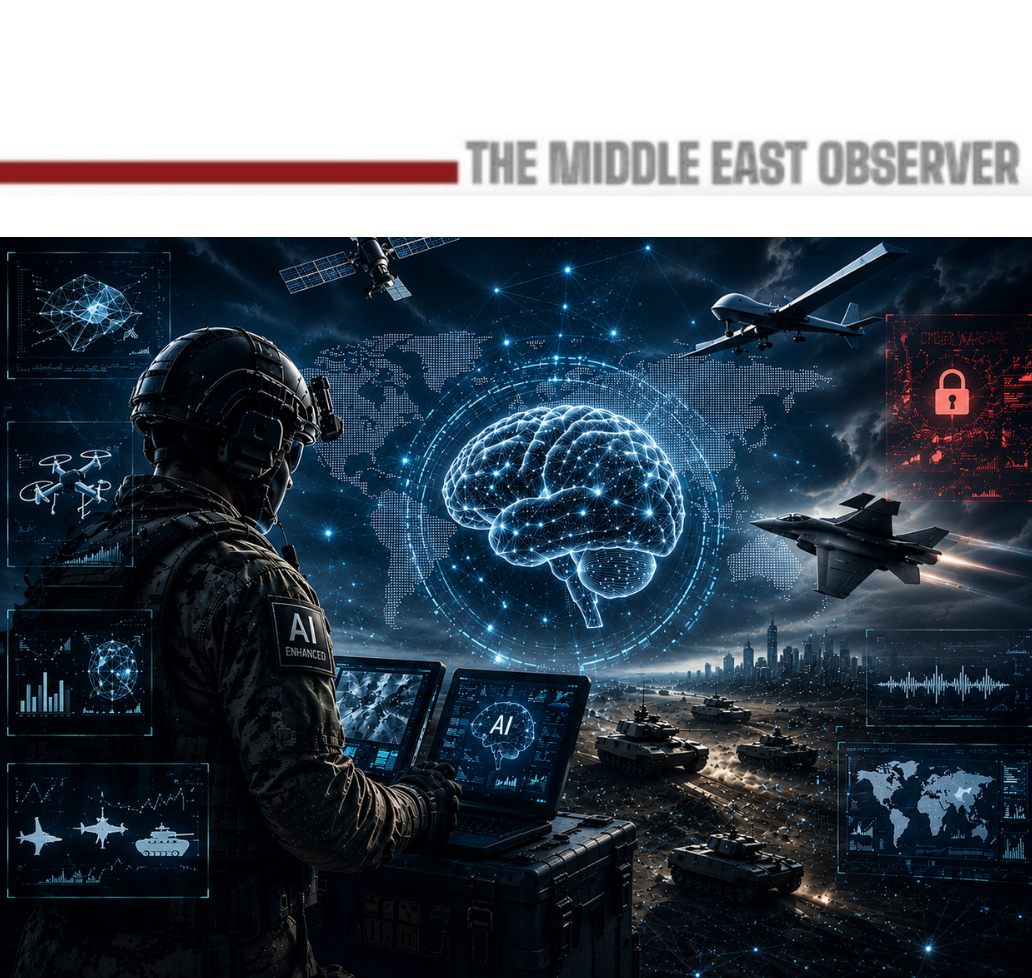
The dispute highlights a growing challenge for cultural institutions. Digital restoration can recover deteriorating recordings and extend their useful life, while generative AI can create representations that depart from historical originals.
For institutions responsible for preserving cinematic heritage, maintaining that distinction is essential to public confidence in the authenticity of archived works.
Expanding Financing and Production Partnerships
Beyond its screenings, the festival is strengthening its industry activities through Cairo Industry Days, scheduled for November 14–19, bringing together filmmakers, producers, financiers, distributors and representatives of international audiovisual companies.
The Cairo Film Connection, its co-production and development platform, has selected 16 projects from 193 submissions originating across 15 Arab countries. Participating filmmakers will present their projects to potential financial and production partners, competing for grants, services and development support.
The initiative is designed to help projects move beyond the development stage, where limited financing and international distribution access frequently constrain independent filmmakers.
The festival is also launching From Book to Screen, an initiative connecting Egyptian publishers with film and television producers to develop literary adaptations.
Ten novels from ten Egyptian publishing houses have been selected, including Al-Khawagaya from Dar El Shorouk, Rust from Al Rawaq and Ghosts of Morgana from Dar Dawen.
The programme gives publishers opportunities to present literary works to producers and streaming platforms, opening discussions about adaptation rights, intellectual property licensing and commercial partnerships.
By linking publishing and audiovisual production, the initiative could help develop Egyptian-owned stories into commercially viable film and television properties while creating additional income opportunities for authors and publishers.
Turning Film Heritage into Economic Value
The anniversary highlights a broader opportunity for Egypt’s creative economy, where decades of filmmaking experience coexist with increasing competition for investment, technology and international audiences.
Restored cinema libraries could provide a continuing source of licensing income, while international co-productions offer access to foreign financing, overseas distribution networks and specialist technical expertise.
Production activity also generates demand beyond filmmaking itself, supporting employment in editing, visual effects, sound engineering, set construction, animation, translation, hospitality and other associated services.
However, converting cultural assets into sustainable commercial returns requires more than international exposure. Fragmented ownership, unclear licensing arrangements, restoration costs and limited distribution infrastructure can prevent historic films from reaching new audiences or generating income for their rights holders.
A coordinated preservation and commercialisation framework would need to establish reliable film inventories, clarify intellectual property ownership, support professional restoration and connect archives with legitimate domestic and international distribution channels.
For contemporary producers, more effective co-production agreements, transparent financing arrangements and professional training would strengthen Egypt’s ability to compete for international projects and retain a larger share of their economic value.
Cairo’s 50-year milestone underscores the value of an industry whose influence extends far beyond the cinema screen. The challenge now is to turn that legacy into a sustainable economic asset through restored archives, enforceable licensing rights, international financing and competitive production facilities. The festival can open doors to those opportunities, but its longer-term achievement will depend on the investment, partnerships and commercially viable productions that follow.
Related news:
El Gouna Film Festival Unveils New Identity, Honours Mona Zaki
Egyptian Short Film Khufu Brings Contemporary Egyptian Storytelling to the Global Stage
Read also:
Egypt Honours Cultural Icons with 2026 State Awards
Cairo Film Festival Expands Global Reach from Cannes to China