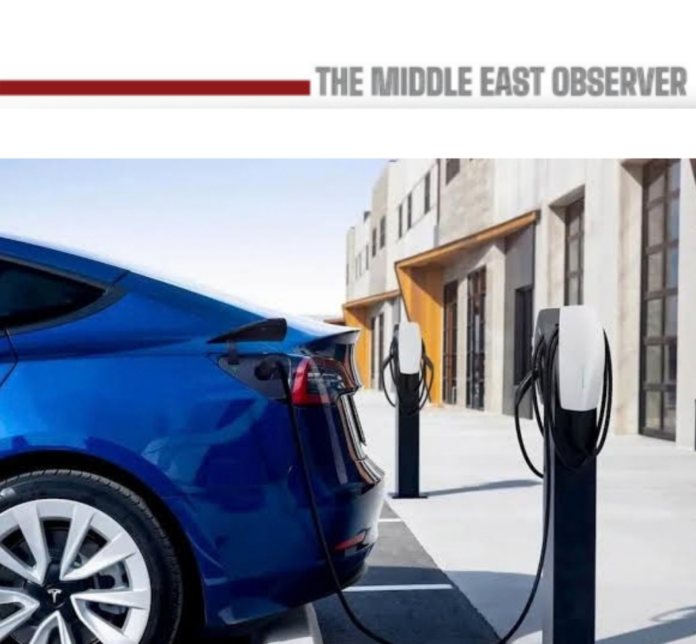
Europe’s electric-car transition is moving decisively into the mass market in 2026, as cheaper models, record registrations and higher fuel costs broaden demand beyond premium buyers.
Battery-electric vehicle registrations across the European Union reached 1.64 million units between January and August, up about 45% year on year, lifting their share of new-car registrations to 21.7% from 15.8% a year earlier, according to the European Automobile Manufacturers’ Association.
The shift reached a symbolic milestone in the second quarter, when battery-electric cars outsold pure petrol vehicles across a full quarter for the first time. Petrol registrations fell 18.6% during the first eight months of the year, while diesel’s market share declined to 7.3%. Hybrid vehicles remained the largest individual powertrain category.
Affordable Models Redraw the Market
The more important structural change is occurring in price and product availability.
Transport & Environment estimates that the number of battery-electric models available in Europe has increased by about 50% in a year, with the market moving beyond the premium and large-SUV segments that dominated the earlier phase of EV adoption.
By the end of 2026, the group expects 16 electric models priced below €25,000, double the previous year’s level, including four below €20,000.
That marks a critical shift for Europe’s automobile industry. The shortage of affordable compact electric cars has long constrained wider adoption in a market where small and mid-sized vehicles account for a substantial share of consumer demand.
Sales of EVs starting below €25,000 are projected by T&E to reach around seven times their 2024 level this year, underscoring how rapidly electrification is spreading into the volume market.
European Carmakers Race China for the Volume Segment
European manufacturers still account for almost 60% of available EV models, according to T&E, after adding 16 models during the first half of 2026.
Chinese manufacturers account for around 21% of the available range and introduced a further 11 models during the same period.
The competitive pressure is increasingly concentrated in the lower-price segments. European groups are expanding their compact EV ranges not only to meet emissions requirements, but to defend the region’s high-volume automobile market against Chinese producers with strong positions in battery technology, supply chains and manufacturing costs.
The strategic contest is therefore moving away from whether European consumers will adopt electric vehicles and towards which manufacturers can produce affordable models at scale and competitive cost.
Regulation Drives Supply
EU regulation remains an important supply-side driver.
Carmakers are required to reduce average new-car fleet CO₂ emissions by 15% from the 2021 baseline during the 2025-29 phase, although Brussels has allowed manufacturers to average compliance across 2025-27.
The rules are accelerating the introduction of new electric models as manufacturers seek to lower fleet emissions while avoiding penalties.
T&E estimates that European manufacturers have already closed about three-quarters of the gap towards their 2025-27 compliance requirements and expects most major groups to meet the targets.
Oil Shock Strengthens EV Economics
Higher fuel prices are reinforcing the transition.
Brent crude has moved above $100 a barrel, while tighter refined-fuel markets linked to Middle East supply risks have raised petrol and diesel costs across Europe.
The latest oil-price shock is not the principal cause of the 2026 EV surge, which is being driven primarily by model availability, regulation and falling entry prices. It nevertheless strengthens the operating-cost advantage of electric vehicles over conventional combustion-engine cars.
Europe’s EV transition is therefore entering a more commercially significant stage.
The defining development of 2026 is no longer simply record electric-car sales, but the emergence of affordable models capable of competing in the mass market. As price gaps narrow and product choice expands, the industry’s central contest is shifting from EV adoption itself to who controls Europe’s emerging mass-market electric-car industry.
Related news:
When Electricity Becomes a Business: Who Will Control Egypt’s Next Power Market?
Volkswagen Evaluates East Port Said as Future Electric-Car Hub
Read also:
China’s LNG Surplus Turns World’s Biggest Buyer Into Global Reseller
Pakistan’s Trout Economy Turns Mountain Water Into Rural Enterprise