

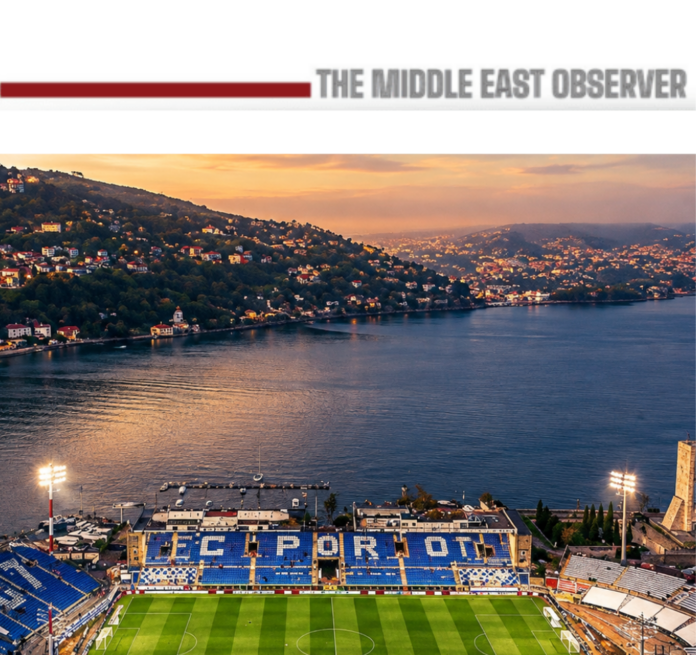
The availability of a football asset inside one of Egypt’s premium Red Sea destinations presents a broader investment proposition: using sport to monetise an existing tourism, hospitality and lifestyle economy.
Football clubs are conventionally valued through squad quality, league position, broadcasting rights, sponsorship and matchday revenue. For a club embedded in a major tourism destination, that framework can substantially understate the opportunity.
The stronger proposition is to develop football as the anchor of a wider sports, tourism, media and entertainment platform.
Como 1907 provides a useful European precedent.
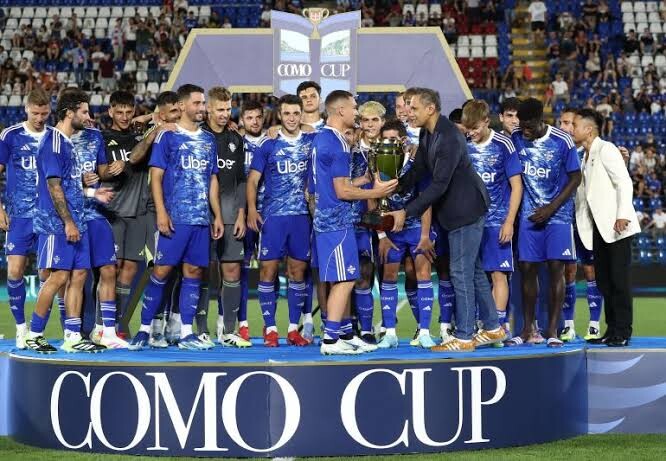
Como: From Distressed Club to Destination Business
Djarum-backed investors acquired Como in 2019 when the club was competing in Italy’s fourth tier after years of financial instability. Its reported acquisition price was below €1mn.
Investment followed across sporting management, infrastructure, recruitment, analytics and commercial operations. Como returned to Serie A in 2024 and is now among the 36 clubs competing in the 2026/27 UEFA Champions League league phase, with its campaign beginning at home against RB Leipzig on September 10.
The more transferable achievement, however, occurred commercially.
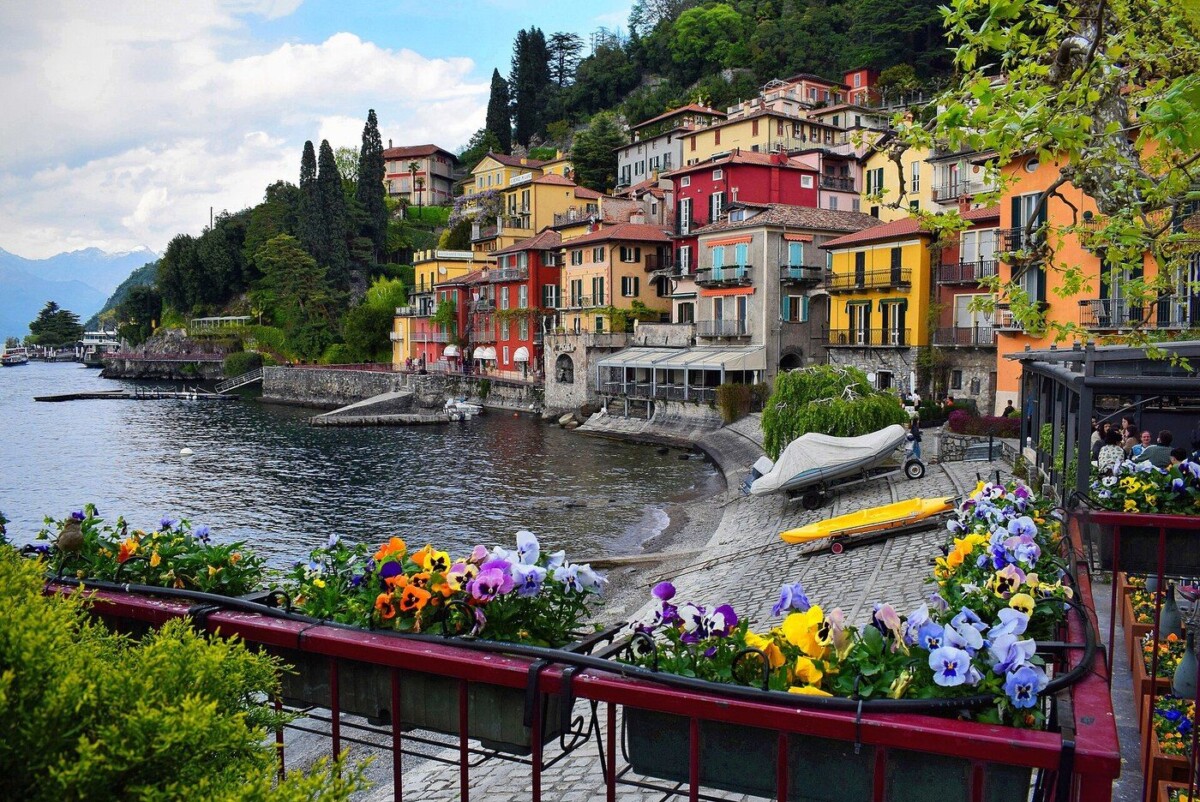
Lake Como was treated as part of the asset rather than merely the club’s address. Football was integrated with hospitality, tourism and premium experiences, allowing match attendance to form part of a broader visitor itinerary.
Around 40% of Como’s tickets were being purchased by foreigners, demonstrating the extent to which the club had begun converting international visitors into football customers.
The commercial principle is significant: the value of a spectator is no longer confined to a ticket. It can extend across hospitality, accommodation, merchandise, restaurants, leisure and branded experiences.
That model has direct relevance to Egypt.
The Red Sea Investment Thesis
A smaller football club located inside an established premium Red Sea destination already sits within a valuable commercial infrastructure: hotels, villas, marinas, restaurants, beaches, golf, international residents, second-home owners, affluent domestic visitors and foreign tourists.
The investor does not need to create the destination.
The opportunity is to connect football commercially to an economy that already exists around it.
This produces the central investment thesis:
Invest at the economics of a relatively small football club; build toward the economics of a destination, media and entertainment platform.
The club’s addressable market would extend well beyond its permanent local population. Tourists, homeowners, residents, corporate visitors and regional football audiences become potential customers.
Football can therefore operate simultaneously as a sporting product, visitor attraction and customer-acquisition channel for the wider destination.
Three Engines of Value
The model has three principal value-creation mechanisms.
Sporting appreciation comes from better recruitment, coaching, facilities, analytics and academy development, improving both competitive performance and player values.
Commercial monetisation expands revenues through sponsorship, hospitality, premium ticketing, merchandise, academies, tournaments, events and digital media.
Destination integration connects the club with hotels, airlines, restaurants, property businesses, marinas and leisure operators, allowing it to participate in spending traditionally captured outside football.
Player development provides additional upside. Effective scouting and academy operations can create appreciating sporting assets capable of generating future transfer income.
Turning a Match Into a Destination Product
The principal opportunity lies beyond conventional matchday economics.
Hotel packages could incorporate tickets. Premium hospitality could combine football with golf, marina, beach and dining experiences.
European, Gulf and African clubs could use the destination for winter training camps and exhibition matches. International youth tournaments and academies could generate traffic outside peak tourism periods.
Merchandise could evolve into lifestyle and resort products, while digital content could build an audience considerably larger than the stadium itself.
Sponsors would consequently gain exposure across sport, tourism, hospitality, property, travel and lifestyle, rather than football alone.
The stadium and training infrastructure could similarly evolve into year-round commercial assets.
Capital Is Only the Entry Requirement
The decisive variable would be management.
The project requires patient capital, disciplined sporting leadership and an active commercial and international marketing operation capable of integrating hotels, airlines, tourism companies, property developers, brands, media and events.
Without that integration, the investment remains a football club.
With it, the asset can begin to command a different economic profile.
The value-creation cycle is straightforward:
Capital → stronger football → larger audience → deeper destination integration → higher commercial revenue → stronger sporting assets → higher enterprise value.
The objective is therefore not simply promotion or trophies.
It is multiple expansion through professionalisation — repositioning an asset valued primarily as a football club into a hybrid of sports franchise, tourism platform, media property, academy, hospitality business and destination brand.
The Asset Behind the Asset
The significance of a Red Sea football club coming to market lies less in the availability of another Egyptian sporting asset than in the economic environment surrounding it.
Much of the expensive infrastructure — tourism traffic, hotels, residential communities, restaurants and leisure facilities — already exists.
The investment requirement is to connect those assets through football and build a commercial organisation capable of monetising them.
The transaction may begin with the acquisition of a club.
The larger investment opportunity is the destination around it.
Related news:
Saudi Arabia Opens Bidding for Prince Faisal bin Fahad Sports City PPP Project
Egypt Strikes Fifth at Taranto With Record 23 Golds
Read also:
Saudi Arabia, France Turn Strategic Pact Into Multibillion-Dollar Investment Pipeline
Saab’s GlobalEye Platform Gains Global Momentum as NATO, Middle East Drive Demand