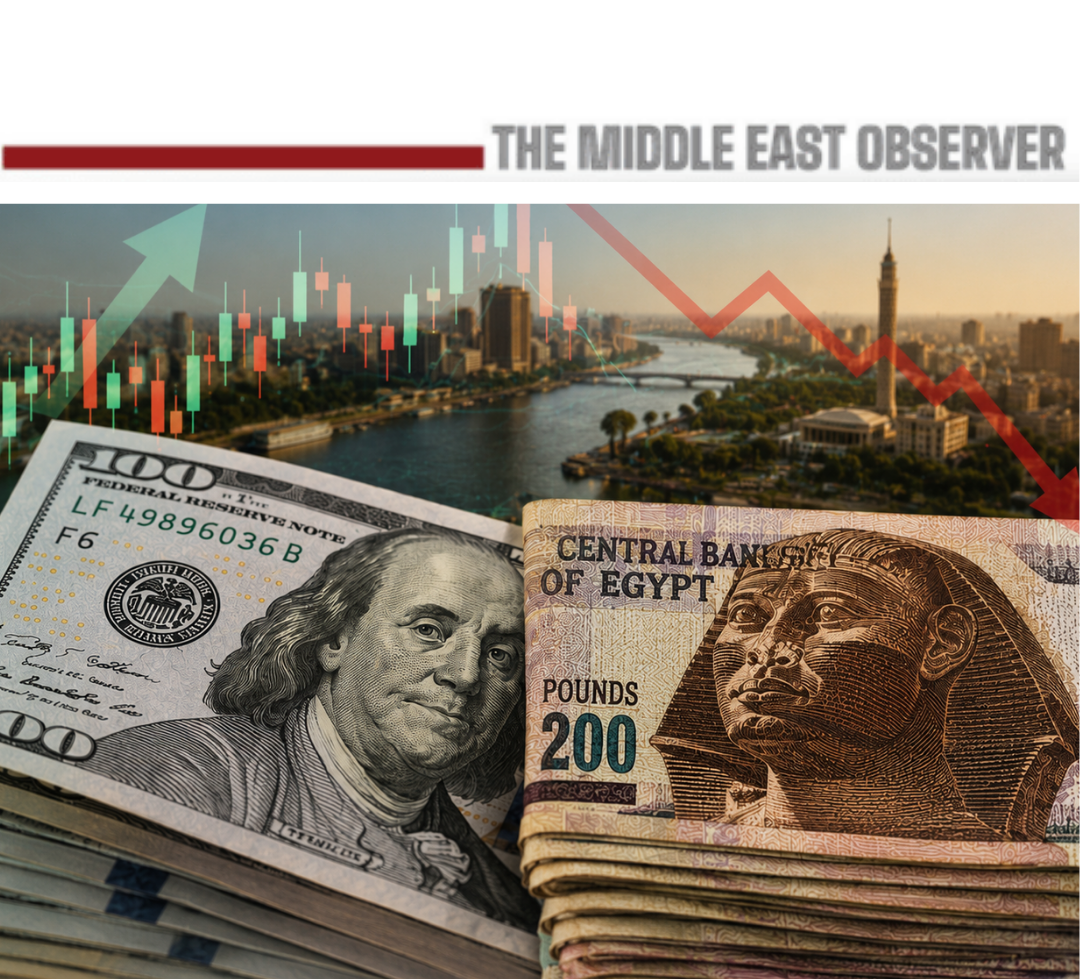

Strong bank profits are masking mounting financial vulnerabilities as sovereign debt pressures, nonbank lending and volatile investment markets test the resilience of the global financial system.
The International Monetary Fund has warned that banks holding 22% of global banking assets could face inadequate capital under a severe economic downturn, compared with 18% in its previous annual stress assessment.
The findings, published in the IMF’s Global Financial Stability Report on October 13, expose a widening gap between banks’ strong current earnings and their ability to withstand simultaneous financial shocks.
The warning comes as rising government borrowing costs, geopolitical tensions and potentially inflated artificial intelligence valuations threaten financial markets that have remained remarkably resilient.
From Strong Profits to Weaker Capital Buffers
The IMF’s stress tests simulate the impact of adverse economic conditions over three years, including energy disruptions, financial-market corrections and deteriorating credit conditions.
While the banking system remains broadly resilient, the proportion of assets held by institutions vulnerable to severe stress has increased by four percentage points.
The results do not predict imminent bank failures. They reveal how quickly capital positions could weaken if several financial risks materialise together.
Sovereign Debt and Shadow Banking Increase Exposure
Government debt presents a particularly important vulnerability. Rising sovereign bond yields reduce the market value of existing fixed-rate securities and increase refinancing costs, potentially putting pressure on banks holding substantial government debt portfolios.
Meanwhile, banks’ expanding relationships with nonbank financial institutions—including hedge funds, private credit providers and investment funds—create additional transmission channels for financial shocks.
If leveraged investors face losses or sudden liquidity demands, they may draw on bank credit facilities or liquidate assets, intensifying pressure across financial markets.
The IMF also identifies cybersecurity disruptions as a threat capable of undermining financial services and market confidence.
Emerging Markets Face a Double Exposure
For emerging economies, financial instability can spread beyond banks through higher sovereign borrowing costs, capital outflows, currency volatility and reduced private-sector lending.
Egypt and other MENA economies with substantial government financing requirements face particular sensitivity to changes in international interest rates and investor confidence.
Domestic banks may benefit from government securities income, but excessive sovereign borrowing can compete with private-sector credit, weakening businesses’ access to working capital and investment finance.
The central concern is therefore not whether banks are profitable today, but whether their capital and liquidity remain adequate when governments, corporations and financial investors simultaneously require funding.
Prevention Before Crisis
The IMF’s findings strengthen the case for tougher stress testing, closer supervision of nonbank exposures, prudent capital distributions, credible debt-management strategies and stronger cybersecurity protections.
Regulators must balance financial stability against the need to preserve credit for productive businesses.
The lesson is particularly relevant for emerging economies: banking resilience depends not only on individual institutions’ capital strength, but also on sustainable public finances and the ability of the wider financial system to absorb shocks without restricting investment and employment.
Related News:
Global Debt Tops $365tn as AI Adds to Funding Demands
AI Investment Fuels Growth but Threatens Jobs and Traditional Tax Revenues
Read Also:
How Digital Money Can Strengthen Monetary Policy Across the MENA Region
Egypt’s Central Bank Unveils New Fund to Modernize Financial Sector