

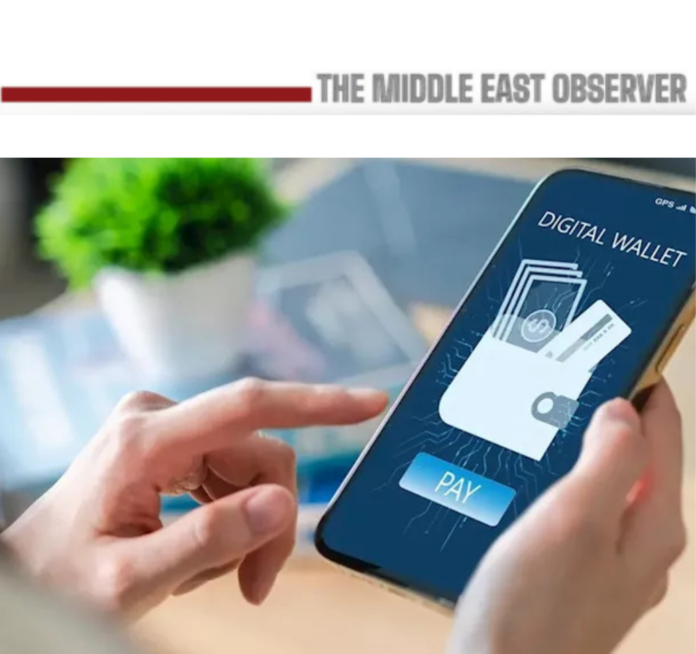
Egypt’s telecom-operated mobile wallets processed EGP 2.96 trillion in transactions during the first half of 2026, up 56% from EGP 1.90 trillion a year earlier, as transaction growth continued to outpace wallet adoption.
The National Telecom Regulatory Authority said transaction volumes rose 62% year on year to 2.22 billion operations, while registered wallets increased 23% to 57.01 million from 46.33 million.
Usage intensity rose accordingly. Registered wallets processed an average of about 39 transactions each during the first half, up from roughly 30 a year earlier, while the system handled about 12.3 million transactions worth EGP 16.4 billion a day.
Wallet-to-wallet transfers remained dominant, accounting for 54% of transaction numbers and 67% of total value. Deposits represented 17% of value and withdrawals 12%, showing that the market remains centred on transfers and cash movement rather than merchant payments.
Integration with Egypt’s banking system is nevertheless deepening. Transfers from bank accounts to mobile wallets through InstaPay accounted for 78% of deposit transactions, indicating that wallets are increasingly operating as part of a broader banking and payments infrastructure rather than solely as telecom products.
Vodafone Cash accounted for 53% of registered wallets but 77% of transaction value, showing that its dominance extends substantially beyond wallet ownership into actual financial activity.
The EGP 2.96 trillion figure measures transaction throughput, not revenue, and does not disclose how profits are divided among banks, telecom operators and payment platforms. Monetisation comes instead through transfer and cash-out charges, merchant-payment fees, settlement services and the wider commercial value of retaining customers within a digital financial ecosystem.
The competitive implications are increasingly important. Banks continue to hold much of the underlying liquidity, deposits and settlement infrastructure, while telecom operators increasingly control the customer-facing transaction interface and payment platforms connect the two.
For banks, the principal risk is therefore less deposit disintermediation than transaction disintermediation. Customers may continue to hold their money with banks while increasingly using telecom wallets or payment applications for everyday financial activity, potentially shifting part of the fee opportunity, transaction data and customer engagement away from traditional banking channels.
Banks can still benefit from higher electronic transaction volumes, deposit retention and lower dependence on cash handling, but the available data do not isolate how much of bank profitability derives directly from mobile-wallet activity.
The next commercial frontier is likely to be merchant payments. Person-to-person transfers have created scale, but greater use of wallets for retail transactions could generate richer fee streams, merchant relationships, transaction data and opportunities for additional financial services.
The competitive shift is therefore increasingly from who holds the customer’s account to who controls how the customer’s money moves.
Near-EGP 3 trillion in six months shows that Egypt’s mobile-wallet market has already achieved scale. The next contest is over monetisation: banks hold much of the underlying liquidity, telecom operators increasingly control the customer-facing transaction, and payment platforms connect the two. The strongest positions will belong to those that move beyond transfers to capture merchant payments, recurring fee income and the everyday financial relationship with the customer.
Related news:
Telecom Egypt, City Edge Expand Fibre Services Across New Alamein Flagships
The Cost of Going Digital: Egypt’s Cybersecurity Test
Read also:
When a Football Club Comes to Market, the Real Asset May Be the Destination