Three projects cover 760MW of solar generation and 1,077MWh of battery storage in Rural Damascus
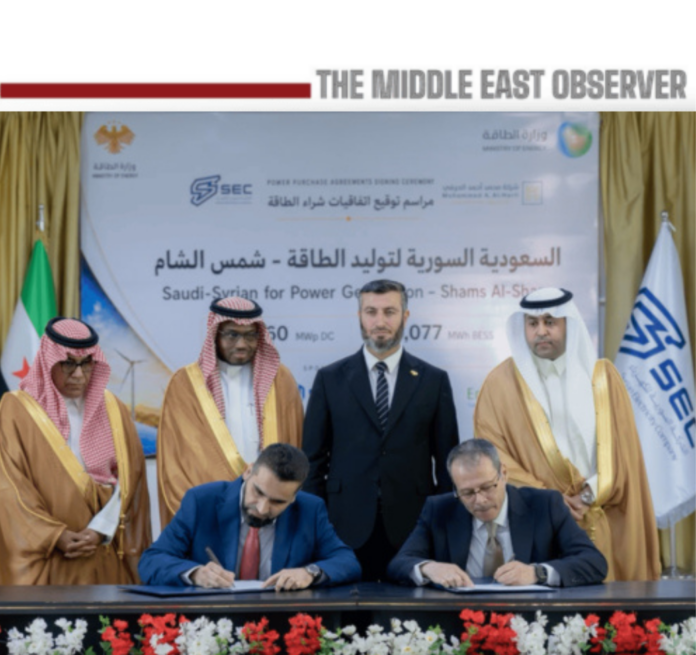
Saudi Arabia’s Mohammed Ahmed Al-Harfi Contracting Company has signed agreements to develop three solar power projects in Syria with a combined capacity of 760 megawatts, as Damascus seeks foreign investment to rebuild its electricity infrastructure.
The projects, planned for the Wadiyan Al-Rabi area in Rural Damascus, will include battery energy storage systems with a combined capacity of 1,077 megawatt-hours. Syrian state media put the total investment at close to $1bn.
The agreements were signed in Damascus with the Syrian Electricity Company, expanding earlier co-operation between Al-Harfi and Syria’s power sector.
Saudi officials said implementation is formally expected to take four to five years, although the parties are seeking to shorten the timetable to three years or less. The initial focus will be Damascus and surrounding areas, with subsequent development potentially extending to Aleppo.
Terms reported alongside the signing indicate that the power purchase agreements could run for 20 to 25 years, with tariffs starting at about 3 US cents per kilowatt-hour. These commercial terms were not detailed in the Syrian government’s publicly available announcement.
Al-Harfi also signed separate technical co-operation agreements with Saudi Electricity Company’s Projects Development Company and Siemens Energy, according to reports surrounding the signing. The precise responsibilities of the companies have not been publicly disclosed.
From Preliminary Deals to Larger Projects
The latest package builds on a series of agreements between Al-Harfi and Syrian electricity authorities.
In October 2025, preliminary co-operation included plans for a 200MW solar project at Wadiyan Al-Rabi alongside a proposed 200MW wind development. In February 2026, Al-Harfi signed a memorandum covering a 210MW solar project supported by 827MWh of battery storage.
The new 760MW package therefore represents a substantial increase in the scale of Al-Harfi’s proposed investment and marks a step beyond the preliminary memoranda announced over the previous year.
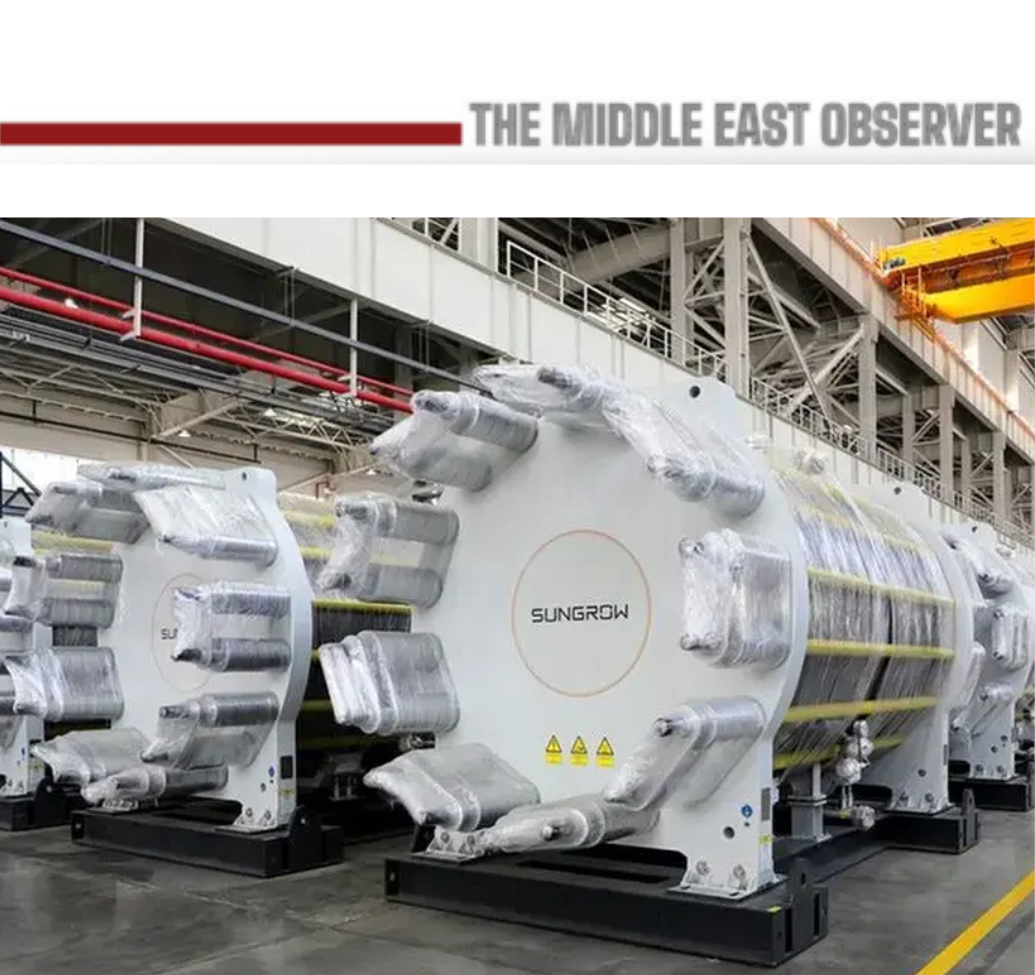
The battery systems are intended to shift solar output into higher-demand periods and support grid stability.
Private Capital Targets Syria’s Power Deficit
The investment comes as Syria faces a substantial electricity shortage following years of conflict, underinvestment and damage to generation and transmission infrastructure.
The Al-Harfi projects form part of a broader effort by Damascus to attract foreign capital into electricity generation. Syria has separately announced several gigawatts of planned gas-fired and renewable capacity involving international investors, while Saudi companies have expanded their involvement across electricity, renewable energy, oil and gas.
Long-term power purchase agreements could help attract private financing by providing developers with greater revenue visibility while limiting the Syrian state’s immediate capital requirements. The viability of individual projects, however, will depend on financing arrangements, contractual protections and the ability of the grid to absorb additional generation.
The critical test will be whether the projects progress from agreements to financing, construction and grid connection. Delivery would provide an early indication of whether regional private capital can play a significant role in rebuilding Syria’s electricity infrastructure despite financing, procurement and transmission constraints.
Related news:
Africa Accelerates Solar Expansion as Egypt Prioritizes Grid Modernization and Energy Growth
Egypt Fast-Tracks Solar Energy Drive, Aiming for 42% Renewables by 2030
Read also:
Does Egypt Need Its Own Broadway?
Generation Gap: Are Authentic Social Values Declining Across Generations?