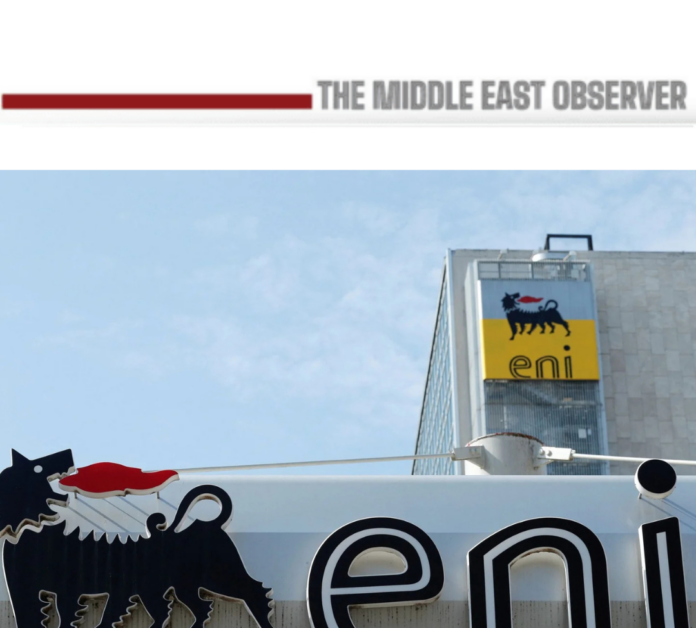
Italian energy major Eni plans to drill 230 wells in Egypt as Cairo steps up efforts to increase domestic oil and gas production and curb its exposure to energy imports.
The programme comprises 30 exploration wells and 200 development wells, with drilling set to intensify during 2026 and 2027, particularly in the Mediterranean and Western Desert, according to the Egyptian Presidency. President Abdel Fattah El-Sisi discussed the programme with Eni chief executive Claudio Descalzi in New Alamein this week.
The heavy weighting towards development — almost 87% of the planned wells — indicates that the campaign is focused primarily on accelerating production from known resources and offsetting declines at mature fields, alongside exploration for new reserves.
Descalzi said Eni’s cumulative investment in Egypt had reached $8.5bn. No separate investment figure has been disclosed for the 230-well programme. The company plans to use advanced seismic surveying and artificial intelligence technologies as it expands drilling across its Egyptian concessions.
Eni is Egypt’s largest hydrocarbon producer, with equity production of about 242,000 barrels of oil equivalent a day in 2025. The company said drilling and infrastructure-led development since last year had already increased production from its offshore Sinai fields by 50%.
A key target is Denise West, discovered in the Mediterranean’s Temsah concession in April. Preliminary estimates put the discovery at about 2tn cubic feet of gas initially in place and 130mn barrels of condensate. Eni and its partners BP and EGPC are targeting a final investment decision within months and first gas in less than two years, aided by the field’s proximity to existing infrastructure. The estimates represent hydrocarbons in place rather than proven recoverable reserves.
Egypt is also seeking to make greater use of its existing gas infrastructure. Eni’s Cronos project offshore Cyprus, which contains more than 3tn cubic feet of gas initially in place, reached a final investment decision in July and targets first production in 2028. Gas is planned to be processed through Egypt’s Zohr facilities before being liquefied at Damietta for export, strengthening Cairo’s attempt to establish itself as an Eastern Mediterranean gas hub.
President El-Sisi separately directed the government to provide incentives and remove obstacles facing energy partners as Egypt seeks higher crude and natural-gas production. Cairo is simultaneously advancing six refinery projects worth more than $4bn to increase domestic fuel output and reduce petroleum-product imports.
The strategy attacks Egypt’s energy-import exposure on several fronts: accelerating domestic field development, pursuing new discoveries, extending the life of existing assets and using Egyptian infrastructure to process regional gas.
Related news:
WE Expands Smart Infrastructure Push Through VIE Partnership
Egypt Builds a New Investment Architecture as Africa’s Top FDI Destination
Read also:
Bitcoin Rallies as US-Iran Deal Spurs Return to Risk Assets
Egypt Races to Arrest Gas Decline as Five New Wells Target October Start-Up