
The artificial-intelligence infrastructure boom is pushing up the cost of the computing systems sustaining it, as tightening supplies of advanced memory feed through into server prices.
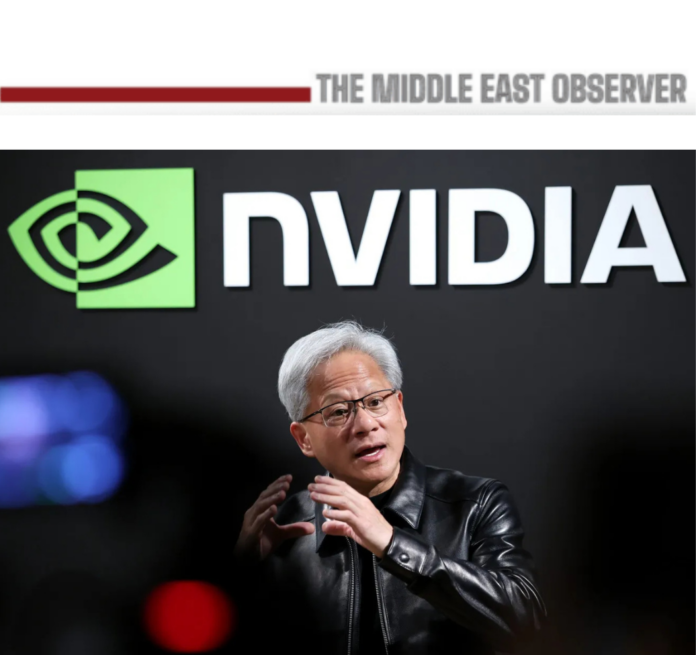
Some of Nvidia’s biggest customers have been told that prices for servers containing its AI chips will rise by more than 15% in many cases, primarily because of soaring memory costs, according to people familiar with the matter cited by Bloomberg. The increases are expected to apply to systems shipped in early 2027, including machines built around Nvidia’s flagship Vera Rubin and Grace Blackwell platforms, with the scale varying by chip generation and memory configuration. Nvidia has not publicly announced the increases or commented on the report.
The price pressure points to a shifting bottleneck in the AI infrastructure race. Scarcity initially centred on advanced GPUs and leading-edge semiconductor manufacturing. Increasingly, high-bandwidth memory and server DRAM are becoming critical constraints, as more powerful AI systems require larger quantities of faster memory.
The squeeze is already visible in pricing. TrendForce expected conventional DRAM contract prices to rise 58%-63% quarter on quarter in the second quarter of 2026, as buyers became increasingly willing to accept higher prices to secure supply. It subsequently forecast another 13%-18% increase in the third quarter, with AI-server demand continuing to support prices.
That is shifting bargaining power towards the small group of companies that dominate advanced-memory production, including SK Hynix, Samsung Electronics and Micron Technology, as cloud providers and server manufacturers compete for capacity.
The pass-through is particularly notable given Nvidia’s own economics. The chipmaker reported a 74.9% GAAP gross margin in its latest quarter on record revenue of $81.6bn. The decision to pass higher component costs through rather than absorb them may reflect both the severity of the memory squeeze and confidence that demand for AI computing remains strong enough to withstand higher prices.
For hyperscalers, the equation is less favourable. A 15% increase in server prices does not translate into a comparable rise in total data-centre capital expenditure, which also covers power, cooling, networking, buildings and other infrastructure. At the scale at which Microsoft, Google, Oracle and their peers are deploying AI capacity, however, more expensive servers could still add materially to the marginal cost of expanding AI compute capacity.
Higher Nvidia system costs may strengthen the case for proprietary accelerators at large cloud providers, although custom chips remain exposed to the same advanced-memory constraints.
The result is a redistribution of pricing power across the AI ecosystem. Memory producers gain leverage, Nvidia may be able to defend margins through higher prices, while cloud providers face a larger infrastructure bill unless utilisation and AI revenues rise fast enough to offset it.
The bottleneck is therefore shifting. The race is no longer simply about securing enough GPUs, but enough memory to keep them fed — and determining who ultimately pays for it.
Related news:
Beyond Nvidia: Where the Next AI Profits Could Be Found
Nvidia Plans to Resume AI Chip Deliveries to China
Read also:
Europe’s Diesel Squeeze Opens a Refining Opportunity for MENA
Africa’s Cybercrime Losses Rise 152% as AI Expands Criminal Reach