Aquaculture—the farming of fish, crustaceans, molluscs and other aquatic organisms—has become one of the fastest-growing food production sectors worldwide. As global demand for seafood continues to rise while wild fish stocks face increasing pressure, fish farming has emerged as an essential component of food security, economic development and sustainable fisheries management.
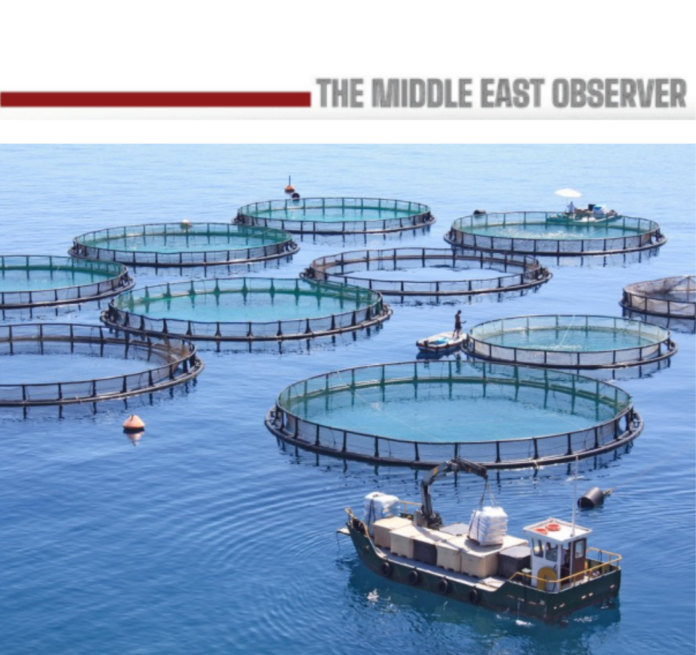
Conducted in controlled environments such as earthen ponds, floating cages and recirculating aquaculture systems (RAS), aquaculture enables producers to raise aquatic species under carefully monitored conditions to improve productivity and quality.
However, while aquaculture offers significant economic and nutritional benefits, its long-term sustainability depends on effective environmental management, responsible production practices and robust regulatory oversight.
The Strategic Importance of Aquaculture
Aquaculture contributes to national food security and economic growth in several important ways:
- Reliable Protein Supply: Fish provides a rich source of high-quality protein, essential fatty acids, vitamins and minerals.
- Reducing Pressure on Wild Fisheries: Farmed fish helps reduce overfishing, allowing natural fish populations greater opportunity to recover and reproduce.
- Economic Growth and Employment: The sector creates jobs across farming, processing, transportation and distribution while offering attractive investment opportunities.
- Efficient Land Utilisation: Fish farms can be established on marginal or low-productivity land unsuitable for conventional agriculture, increasing the productive use of natural resources.
Environmental Challenges
Despite its advantages, aquaculture presents several environmental concerns that require careful management.
Water Pollution
Fish waste, uneaten feed and treatment chemicals can degrade surrounding water quality if farms are poorly managed. Excess nutrients may contribute to eutrophication, reducing oxygen levels and harming aquatic ecosystems.
Habitat Loss
In some regions, particularly where shrimp farming has expanded rapidly, coastal ecosystems such as mangrove forests have been cleared to construct aquaculture ponds. Such habitat destruction can reduce biodiversity and weaken natural coastal protection.
Health and Food Safety Considerations
Disease Management and Antibiotic Use
High stocking densities increase the likelihood of disease outbreaks. While antibiotics may be necessary under veterinary supervision, excessive or inappropriate use can contribute to antimicrobial resistance and leave residues if withdrawal periods are not respected.
Feed Quality
The nutritional quality of farmed fish depends largely on feed composition and farming practices. Poor-quality or contaminated feed can affect fish health and consumer confidence, making strict quality control essential throughout production.
Effects on Wild Fish Populations
Open-water cage farming may facilitate the transmission of diseases and parasites—such as sea lice—to nearby wild fish populations.
In addition, farming carnivorous species such as salmon often requires fishmeal and fish oil derived from smaller wild fish. Unless alternative feed ingredients are increasingly adopted, this practice may continue to place pressure on marine ecosystems.
Economic and Operational Challenges
Aquaculture requires substantial capital investment, particularly for marine farms and modern recirculating systems.
Operators must also address several ongoing challenges, including:
- securing reliable supplies of healthy fingerlings and juvenile stock;
- maintaining water quality and biosecurity standards;
- managing volatile feed prices, which represent the largest operating cost;
- complying with environmental, licensing and food safety regulations.
Effective management and technological innovation remain critical to maintaining profitability.
Heavy Metals and Contaminants
Like wild fish, farmed fish can accumulate contaminants depending on local water quality and feed sources. Potential contaminants include mercury, lead and cadmium, although concentrations vary significantly by species, farming method and location.
Consumers should note that nutritional composition also differs among species. While some farmed fish may contain lower levels of omega-3 fatty acids than their wild counterparts, others provide comparable nutritional value when raised under well-managed conditions.
Major Aquaculture Systems
Modern aquaculture generally employs three principal production systems:
Earthen Pond Systems
These are the most common systems, typically constructed near reliable freshwater sources such as wells, rivers or treated agricultural drainage water.
Recirculating Aquaculture Systems (RAS)
RAS facilities continuously filter and recycle water, allowing producers to maintain strict control over water quality while significantly reducing water consumption and environmental discharge.
Floating Cage Culture
Mesh cages are installed in lakes, rivers or coastal waters, enabling fish to grow within natural water bodies while remaining contained for management and harvesting.
Key Requirements for Successful Fish Farming
The success of any aquaculture project depends on several critical factors:
- Selecting a site with a reliable supply of clean water.
- Ensuring suitable soil characteristics for pond-based production, particularly adequate clay content to minimise seepage.
- Continuously monitoring water temperature, dissolved oxygen and pH levels.
- Providing nutritionally balanced feed appropriate for the farmed species.
- Maintaining strong biosecurity and disease prevention programmes.
Innovation Driving the Sector Forward
Aquaculture continues to evolve through technological innovation and scientific research.
Key developments include:
- selective breeding and biotechnology to improve growth performance and disease resistance;
- probiotics and functional feeds that enhance fish health while reducing antibiotic dependence;
- digital monitoring systems using sensors, artificial intelligence and automation to optimise feeding, water quality and farm management;
- greater use of sustainable alternative proteins to reduce reliance on wild-caught fish in aquafeeds.
Outlook
Aquaculture is expected to play an increasingly important role in feeding a growing global population while supporting economic development and reducing pressure on declining wild fisheries. However, its long-term success will depend on balancing productivity with environmental stewardship, responsible resource management and rigorous food safety standards.
When supported by sound regulation, modern technology and sustainable farming practices, aquaculture can become one of the most effective solutions for securing future seafood supplies while protecting marine ecosystems.
Related news:
Launching a fish farming project next October
OECD Urges Egypt to Shift from Food Subsidies to Innovation-Led Agriculture
Read also:
Egypt, UAE Leaders Deepen Strategic Coordination During El Alamein Summit
Domestic Buying Broadens Market Gains as EGX30 Pauses After Rally