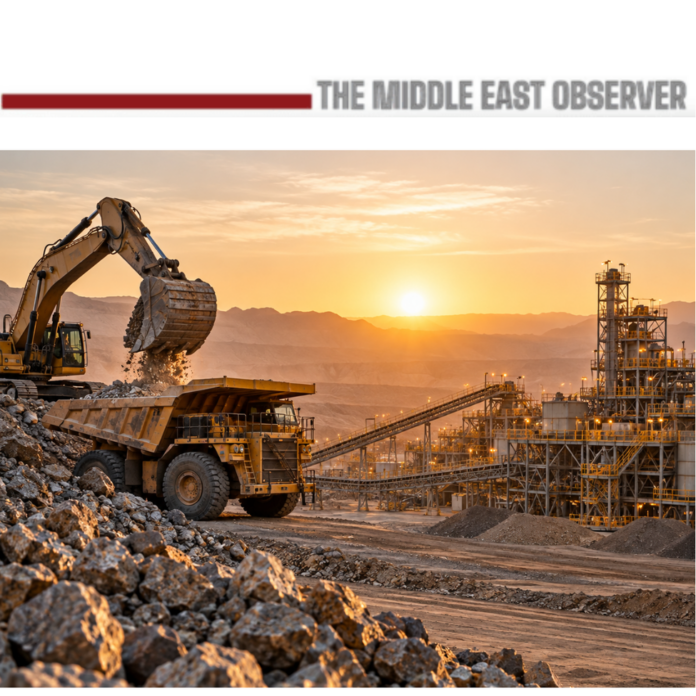
CAIRO — Iqat Gold Mines is studying a gold-processing plant requiring as much as $300 million of investment, the largest new project disclosed at the Egypt Mining Forum as mining companies begin attaching capital plans to Egypt’s regulatory overhaul.
The proposed Eastern Desert project remains pre-final investment decision, with technical studies and financing arrangements still under preparation. If approved and developed as planned, Iqat is targeting production from 2028 at around 100,000 to 120,000 ounces of gold annually.
The project would require estimated investment of $250 million to $300 million and would materially expand Iqat’s current operating scale near Egypt’s border with Sudan.
Tamer Fahmy, vice-chairman and general manager of Iqat Gold Mines, said technical, engineering and hydrogeological work is continuing ahead of the investment and financing decisions.
Iqat has reported a gold inventory of about 2.25 million ounces, with potential for further growth as exploration advances. The figure is best treated as the company’s reported mineral inventory pending a detailed technical classification of resources and reserves.
If the project proceeds, it would add another sizeable producing asset to a gold industry still dominated by the Sukari mine.
AngloGold Sets 2027 Exploration Programme
AngloGold Ashanti also provided greater detail on its next phase of activity in Egypt, outlining further exploration spending for 2027.
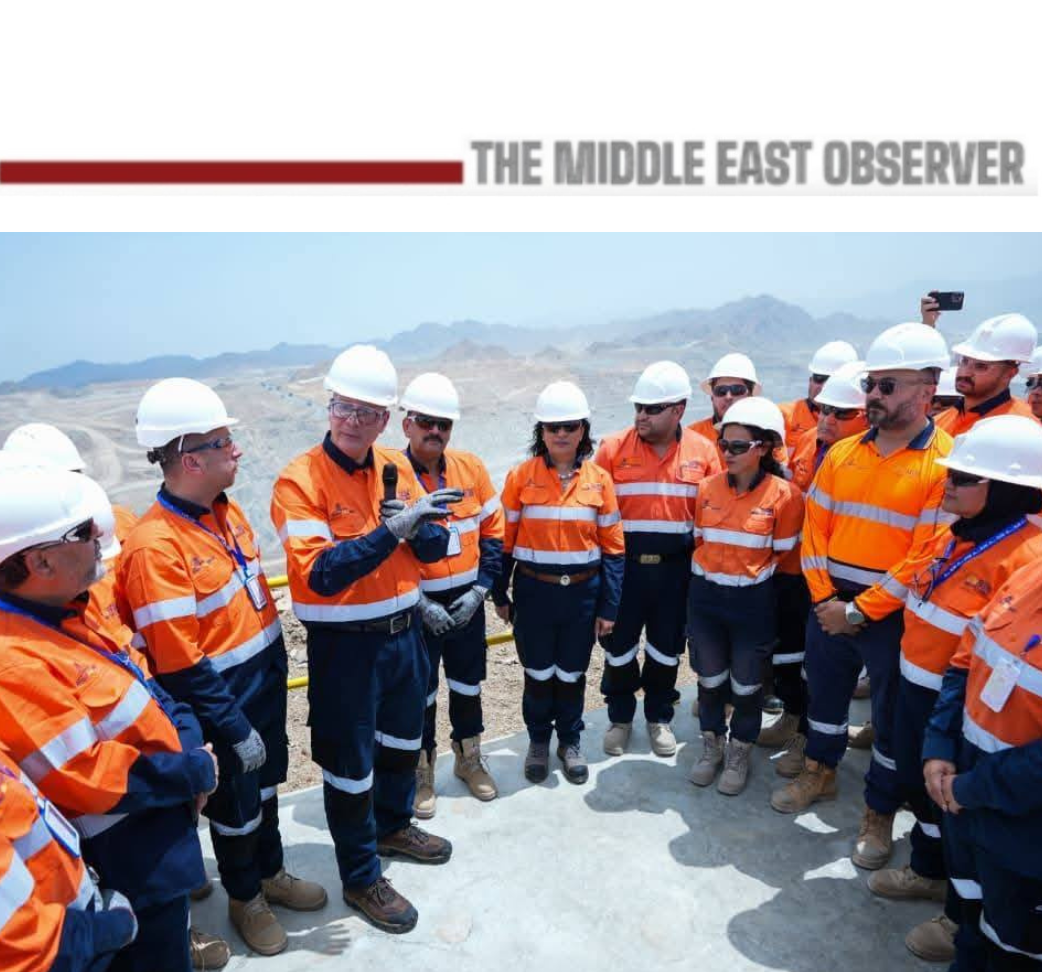
Chief Executive Alberto Calderon said the company had applied for investment rights covering 19 gold exploration areas in the Eastern Desert, representing more than 3,000 square kilometres, and had allocated a multimillion-dollar budget to exploration.
The programme is expected to use satellite mapping, airborne geophysical surveys and drilling to identify additional gold deposits.
AngloGold’s plans carry particular weight because the group already operates Egypt’s flagship gold asset at Sukari and therefore has direct experience of the country’s geology, infrastructure and regulatory environment.
However, the status of the 19 areas remains unclear.
Egyptian mining authorities previously awarded Centamin — subsequently acquired by AngloGold — 19 Eastern Desert licences covering more than 3,000 square kilometres. Public statements from the forum have not established whether Calderon was referring to additional acreage, renewed applications or that inherited exploration portfolio.
The clearer investment signal is therefore the 2027 exploration budget and planned technical programme, rather than the acreage figure alone.
Capital Limited Seeks Direct Gold Exposure
Capital Limited is also looking to move beyond its established role as a drilling and mining-services contractor in Egypt.
Country Chairman Khaled Mortagy said companies affiliated with the group had applied for several gold exploration areas, including 10 blocks targeted by two operating companies.
Capital expects to invest about $8 million initially if the targeted licences are secured, with further spending dependent on geological results and project potential.
The move would give the group direct exposure to mineral assets rather than limiting its Egyptian business to drilling and mining services.
Capital is targeting prospects it believes could support gold resources exceeding one million ounces, according to statements made during the forum.
World Bank Examines Financing Role
The World Bank Group separately indicated interest in supporting Egypt’s mining sector through possible financing, technical assistance and investor mobilisation.
Namrata Thapar, the group’s global director for metals and minerals, said discussions with Egyptian officials covered capacity building, private-sector support and potential financing mechanisms, with particular attention to phosphate and downstream industries.
The World Bank and Egypt are also developing a minerals roadmap intended to identify geological opportunities, infrastructure needs and investment requirements.
No financing value, beneficiary list or timetable has been announced.
The discussions therefore remain preliminary and do not constitute a committed funding programme.
Even so, World Bank involvement could help address one of the central constraints facing emerging mining projects: bridging the gap between early geological potential and the capital required for development.
Different Stages of the Mining Capital Cycle
The announcements span different stages of the mining investment cycle.
Iqat is approaching project development but has not yet reached final investment decision.
AngloGold and Capital remain focused on exploration and acreage development.
The World Bank discussions concern the financing and institutional framework needed to help projects progress from exploration towards development.
That distinction matters because headline investment intentions carry different economic weight depending on where they sit in the mining cycle.
A processing plant still requires financing and construction.
An exploration budget must first produce a commercially viable discovery.
And financial support mechanisms matter only if they help projects progress through technical assessment, permitting and development.
The forum’s significance is therefore shifting from regulatory announcements towards capital allocation.
For Egypt, the next mining benchmark is no longer investor interest alone. It is licenses converted into exploration spending, discoveries converted into bankable projects, and capital actually deployed on the ground.
Related news:
Toshka: Egypt’s Desert Agriculture Strategy Takes Root
Egypt Gold Holds Firm as Eastern Desert Exploration Expands
Read also: